What this boost converter does on your board
The Texas Instruments TPS61280DYFFR is a synchronous step-up (boost) converter that takes an input from 2.3 V up to 4.85 V and delivers a programmable output between 2.85 V and 4.4 V. The 5 A switch rating means it can supply enough current for USB OTG power or a small LED driver from a single Li-ion cell.
Input voltage range — what cells fit
With a minimum input of 2.3 V and a maximum of 4.85 V, this part works from two alkaline cells in series (2.4 V nominal) or a single lithium-ion cell (3.0 V to 4.2 V). The 2.3 V floor means it can squeeze usable energy out of a nearly depleted Li-ion cell before the undervoltage lockout kicks in.
Programmable output — setting the rail
The output is programmable from 2.85 V up to 4.4 V via an external resistor divider. That covers 3.3 V logic rails, 3.6 V for some RF loads, and 4.2 V for charging a single Li-ion cell. The synchronous rectifier helps maintain efficiency across this range.
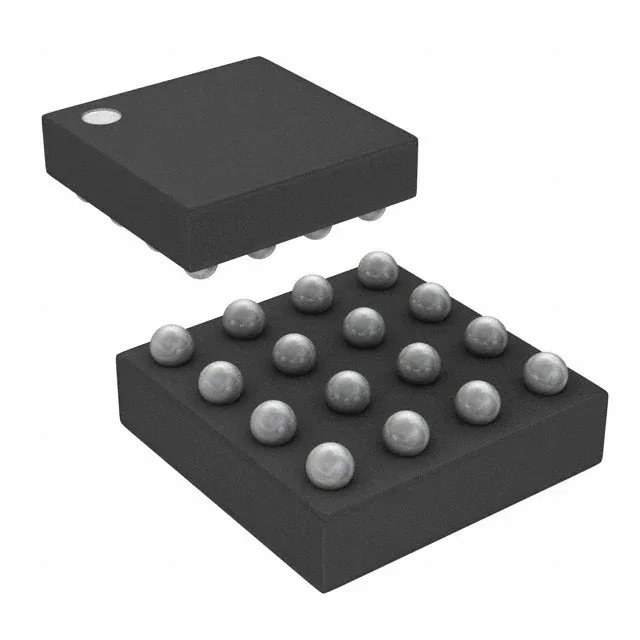
The 16-DSBGA package measures 1.67 x 1.67 mm — very small, which is great for compact designs but means a hot-air rework station with a fine nozzle and a steady hand are needed for board-level repair. The 0.5 mm pitch BGA pads are not something you want to hand-solder with an iron.