What the 4A switch current means for your load
The TPS61230DRCT is a step-up boost converter with a 4A switch current rating — that's the peak current the internal NMOS can handle cycle-by-cycle. For a typical 3.3V-to-5V conversion, that 4A switch translates to about 2.5A output current at 5V, assuming 85% efficiency. If your load pulls more than that, the part will current-limit and the output will droop; you need to size the inductor for the peak current, not the average.
2 MHz switching — small inductor, tight layout
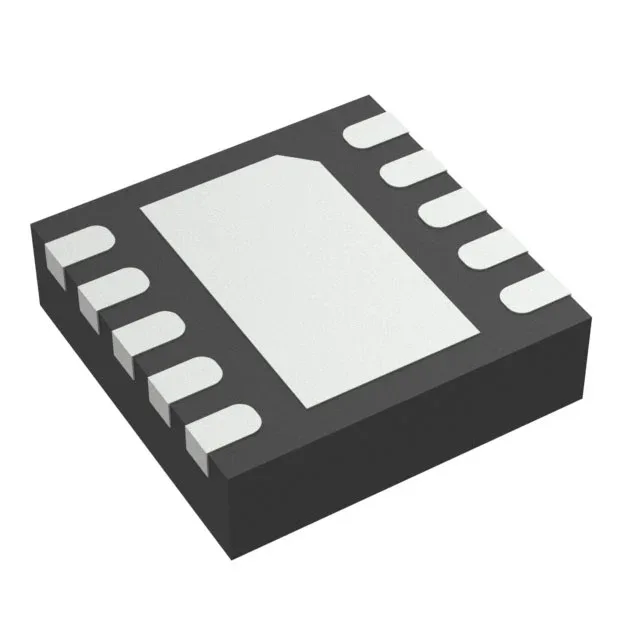
Switching at 2 MHz lets you use an inductor in the 1 µH to 2.2 µH range, which saves board area versus a 500 kHz part that needs 10 µH. But that 2 MHz edge rate also means the switching node loop — input cap, inductor, IC, output cap — must be kept under 10 mm total trace length to avoid ringing that can exceed the 5.5V input max. The 10-VSON (3x3 mm) package with exposed pad helps; the thermal pad is the return path for the switch current, so a solid via array to the ground plane is non-negotiable.
Temperature range and industrial fit
The synchronous rectifier keeps efficiency above 90% at heavy loads across temperature, which helps keep the junction temperature rise under control in a sealed enclosure. Lifecycle status is Active and ROHS3 compliant.
Sourcing and BOM commitment
The TPS61230DRCT is an active, in-production part from Texas Instruments.