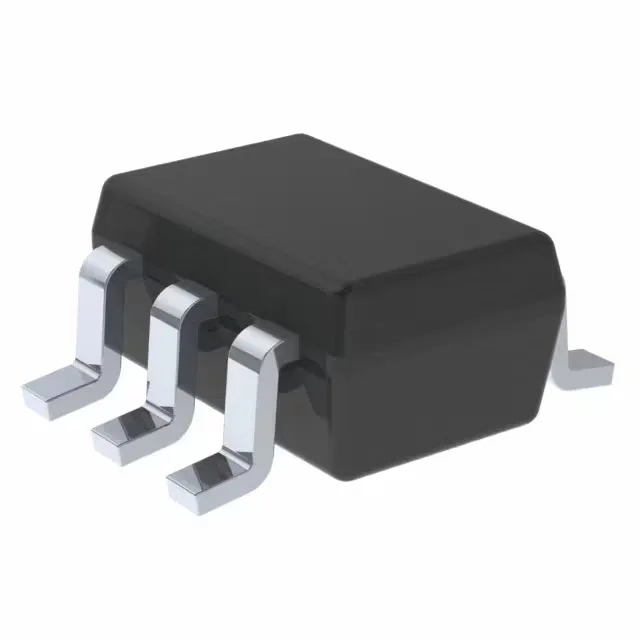
Texas Instruments TPS61221DCKR — DC-DC Power Modules

TPS61221DCKR Texas Instruments Step-Up Boost Converter

MPNTPS61221DCKR
Active

Texas Instruments TPS61221DCKR step-up boost converter, fixed 3.3V output, 0.7V to 5.5V input, 200mA switch, up to 2MHz switching, synchronous rectification, SC-70-6 package, -40°C to 125°C.

$1.2800Ref. price · indicative, final on quote
Independent supplier — new & surplus stockAuthenticity-screened · ESD-safe packingListing updated Jul 2026

Specifications

TPS61221DCKR specifications
ParameterValue
Output typeFixed
MountingSurface Mount
Voltage - input5.5V
Voltage - output (Min (Fixed))3.3V
Output current200mA (Switch)
Frequency - switchingUp to 2MHz
I/O channels1
Operating temperature-40°C~125°C(TJ)
PackageTape & Reel (TR); Cut Tape (CT)
FunctionStep-Up
TopologyBoost
Case6-TSSOP, SC-88, SOT-363
Output configurationPositive
Synchronous rectifierYes

Product details

Boost converter for single-cell battery rails

The internal switch is rated for 200 mA, which sets the practical output current ceiling — at 3.3V out from a 1.2V input, expect around 60-70 mA continuous before the switch limit is reached, depending on efficiency.

The 0.7V minimum input lets the converter start up and regulate from a nearly depleted single cell, while the 5.5V maximum input means it can also run from a 2S alkaline stack or a USB 5V rail without an upstream LDO. Because the output is fixed at 3.3V, there is no external feedback divider — the BOM saves two resistors and one feedback-node capacitor compared to an adjustable-output boost.

Housed in a 6-lead SC-70 (SOT-363) package, it occupies about 2.1 mm × 2.0 mm of board area — small enough for space-constrained wearable and portable designs.

Frequently asked questions

Can TPS61221DCKR replace TPS61220 in a boost converter design?

Both are pin-compatible boost converters in the same SC-70-6 package. The TPS61221DCKR outputs a fixed 3.3V, while the TPS61220 is adjustable — verify the output voltage requirement before substituting.