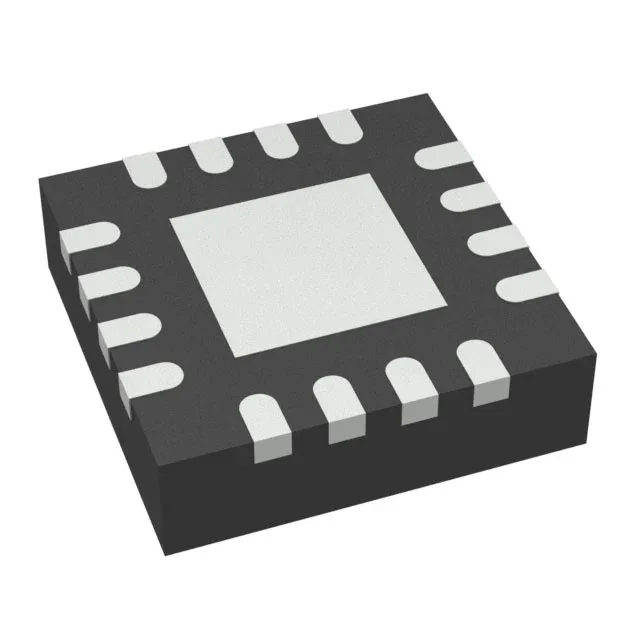
Texas Instruments TPS61182RTERG4 — Power Management (PMIC / Gate Driver)

Texas Instruments TPS61182RTERG4 DC DC Regulator

MPNTPS61182RTERG4
End of Life

Texas Instruments TPS61182RTERG4, DC DC Regulator, Step-Up (Boost) topology, 6 outputs, 25 mA per channel, 38 V output, 1.3 MHz, PWM dimming, 16-WFQFN Exposed Pad, -40°C to 85°C.

$58.8000Ref. price · indicative, final on quote
Independent supplier — new & surplus stockAuthenticity-screened · ESD-safe packingListing updated Jul 2026

Specifications

TPS61182RTERG4 specifications
ParameterValue
TypeDC DC Regulator
MountingSurface Mount
Voltage - output38V
Supply voltage24V
Current - output (Channel)25mA
Frequency1.3MHz
I/O channels6
Operating temperature-40°C~85°C(TA)
DimmingPWM
PackageTape & Reel (TR)
TopologyStep-Up (Boost)
ApplicationsBacklight
Case16-WFQFN Exposed Pad
Internal switchYes

Product details

Six-string boost driver for LCD backlight panels

It integrates six current-sink outputs, each rated for 25 mA, and delivers a regulated output voltage up to 38 V to handle series-connected LEDs. Dimming is controlled via a PWM input, allowing the backlight brightness to be adjusted without audible noise from the inductor.

Input supply and temperature range for the BOM

The device accepts a supply voltage from 5 V to 24 V, covering common rails in automotive infotainment, industrial HMIs, and portable equipment. Internal switches eliminate the need for an external MOSFET, simplifying the layout and reducing component count.

Frequently asked questions

How many outputs does TPS61182 have?

The TPS61182 provides six regulated current-sink outputs, each rated for 25 mA, for driving multiple LED strings in parallel.

What is the switching frequency of TPS61182?

The switching frequency is fixed at 1.3 MHz, which allows the use of small inductors and ceramic capacitors while keeping switching losses manageable.

Does TPS61182 include internal switches?

Yes, the TPS61182 integrates the switching MOSFET internally, so no external power switch is needed for the boost converter.