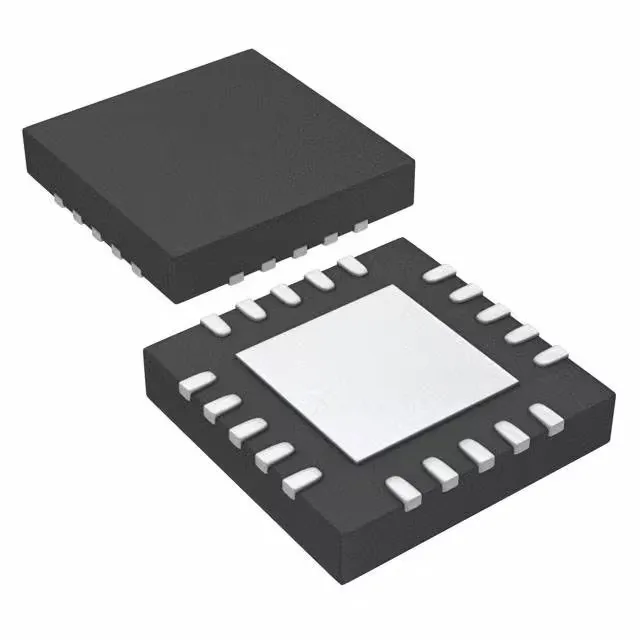
Texas Instruments TPS61177RGRR — DC-DC Power Modules

TPS61177RGRR DC-DC Boost LED Driver, 6-Channel, 30 mA, 39 V

MPNTPS61177RGRR
Active

Texas Instruments TPS61177RGRR, DC-DC Step-Up (Boost) Regulator, 6-Channel LED Driver, 30 mA/channel, 39 V Output, 1.25 MHz, Analog & PWM Dimming, 20-VFQFN (3.5x3.5), -40°C to 85°C.

$1.1355Ref. price · indicative, final on quote
Independent supplier — new & surplus stockAuthenticity-screened · ESD-safe packingListing updated Jul 2026

Specifications

TPS61177RGRR specifications
ParameterValue
TypeDC DC Regulator
MountingSurface Mount
Voltage - output39V
Supply voltage2.5V
Current - output (Channel)30mA
Frequency1.25MHz
I/O channels6
Operating temperature-40°C~85°C(TA)
DimmingAnalog, PWM
PackageTape & Reel (TR); Cut Tape (CT)
TopologyStep-Up (Boost)
ApplicationsBacklight
Case20-VFQFN Exposed Pad
Internal switchYes

Product details

Backlight boost driver with six regulated channels

The Texas Instruments TPS61177RGRR is a 6-channel DC-DC boost regulator designed for LED backlight applications. Each channel delivers up to 30 mA with a maximum output voltage of 39 V, making it suitable for driving multiple LED strings in series.

Dimming flexibility and switching frequency

Supports both analog and PWM dimming, giving the designer control over brightness via a DC voltage or a PWM input. The 1.25 MHz switching frequency allows the use of small external inductors and capacitors, shrinking the total solution footprint.

Listed as Active in production.

Frequently asked questions

What is the maximum output current per channel for TPS61177RGRR?

Each of the six channels is rated for a maximum output current of 30 mA.

Does TPS61177RGRR support both analog and PWM dimming simultaneously?

Yes, the part supports both analog and PWM dimming methods, selectable per the application circuit.

Can TPS61177RGRR drive 6 LEDs in series?

Yes. With a 39 V maximum output and 30 mA per channel, it can drive a string of six series-connected white LEDs (typical forward voltage ~3 V each) plus headroom for the current-sense resistor.