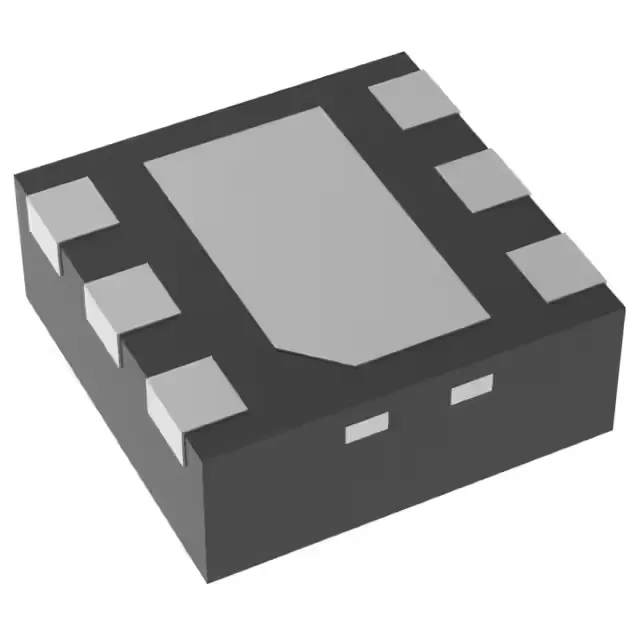
Texas Instruments TPS61170DRVT — DC-DC Power Modules

TI TPS61170DRVT boost converter, 1.2 MHz, 960 mA switch

MPNTPS61170DRVT
Active

Texas Instruments TPS61170DRVT, Step-Up/Step-Down DC-DC Converter, Boost/Buck-Boost/Flyback/SEPIC, Adjustable Output, 960mA Switch, 1.2MHz, 6-WSON (2x2), -40°C to 85°C.

$2.9000Ref. price · indicative, final on quote
Independent supplier — new & surplus stockAuthenticity-screened · ESD-safe packingListing updated Jul 2026

Specifications

TPS61170DRVT specifications
ParameterValue
Output typeAdjustable
MountingSurface Mount
Voltage - input18V
Voltage - output38V
Voltage - output (Min (Fixed))3V
Output current960mA (Switch)
Frequency - switching1.2MHz
I/O channels1
Operating temperature-40°C~85°C(TA)
PackageTape & Reel (TR); Cut Tape (CT)
FunctionStep-Up, Step-Up/Step-Down
TopologyBoost, Buck-Boost, Flyback, SEPIC
Case6-WDFN Exposed Pad
Output configurationPositive
Synchronous rectifierNo

Product details

One switcher, four topologies — what the TPS61170DRVT can do

The Texas Instruments TPS61170DRVT is a current-mode boost converter that also works in buck-boost, flyback, and SEPIC configurations. Input range runs from 3 V up to 18 V, output goes to 38 V adjustable via a resistor divider.

960 mA switch current — what you actually get at the output

The 960 mA rating is the internal switch current limit, not the output current. For a SEPIC or flyback design, the switch current handles both the input and the reflected output current, so derate further. Plan your inductor saturation current around the 960 mA peak plus ripple.

6-WSON: small footprint, thermal pad required

Without that, the junction temperature climbs fast above 85°C ambient. The pad is also the ground return for the switch, so the layout needs a solid via-stitched ground pour underneath. Fine for outdoor telecom enclosures, motor drives, and battery-powered gear.

No end-of-life notice, no last-time-buy deadline.

Frequently asked questions

Can TPS61170DRVT be used as a boost converter?

Yes, boost is the primary topology listed. It also supports buck-boost, flyback, and SEPIC configurations, so it is not limited to step-up only.