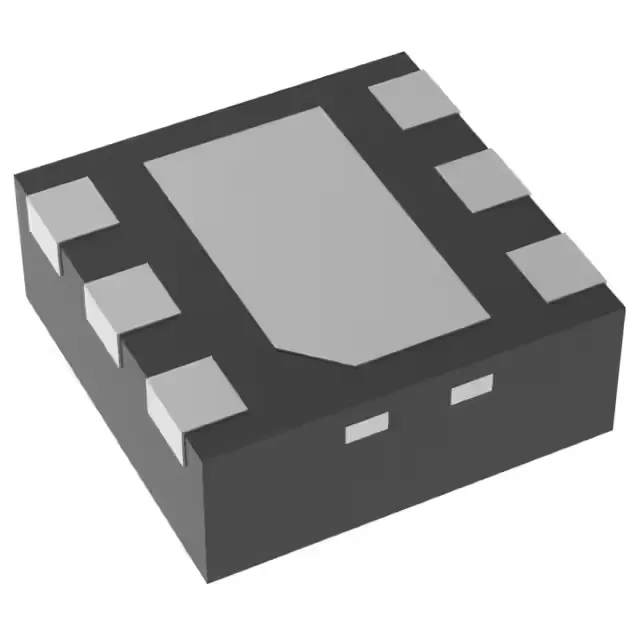
What this boost/SEPIC regulator does on your rail
Its internal switch is rated for 960 mA, and the output can be set anywhere from 3 V up to 38 V, making it a candidate for biasing LCD panels, powering OLED displays, or generating isolated rails in industrial sensors. The fixed 1.2 MHz switching frequency keeps the inductor small — typically a 4.7 µH to 10 µH shielded type — but the compensation network needs attention if you push the output voltage near the 38 V ceiling.
Input range and output ceiling — the BOM-fit boundaries
With a minimum input of 3 V, this part runs from a single lithium-ion cell or a 3.3 V regulated rail, and the 18 V maximum input covers 12 V industrial buses with margin. The 38 V output maximum suits applications like driving a string of series-connected LEDs or generating a 24 V bias from a 5 V supply — but the 960 mA switch current limits the achievable output power, especially at high boost ratios. No synchronous rectifier is integrated, so the external Schottky diode's forward voltage and thermal rating directly affect efficiency at higher output currents.