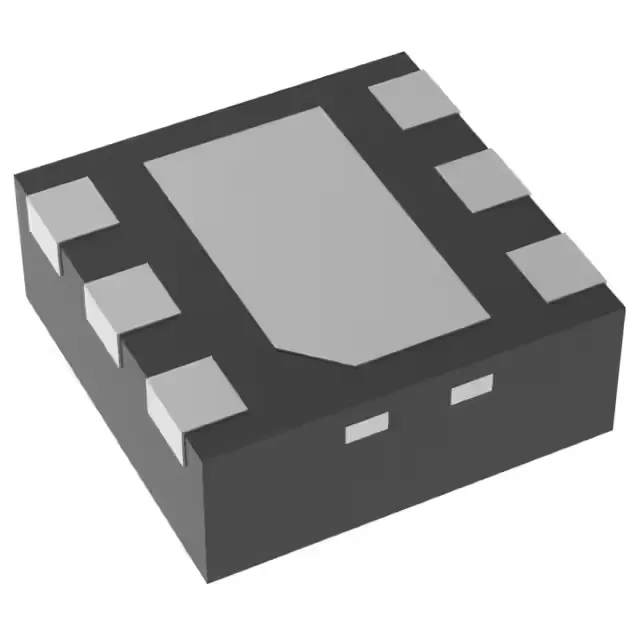
Texas Instruments TPS61161ADRVT — Power Management (PMIC / Gate Driver)

TPS61161ADRVT DC-DC Boost Regulator, 38V Output, PWM Dimming

MPNTPS61161ADRVT
Active

Texas Instruments TPS61161ADRVT, DC DC Regulator, Step-Up (Boost) topology, 38V output, 700mA switch, 600kHz, PWM dimming, -40°C~85°C, 6-WSON (2x2) package.

$1.5700Ref. price · indicative, final on quote
Independent supplier — new & surplus stockAuthenticity-screened · ESD-safe packingListing updated Jul 2026

Specifications

TPS61161ADRVT specifications
ParameterValue
TypeDC DC Regulator
MountingSurface Mount
Voltage - output38V
Supply voltage2.7V
Current - output (Channel)700mA (Switch)
Frequency600kHz
I/O channels1
Operating temperature-40°C~85°C(TA)
DimmingPWM
PackageTape & Reel (TR); Cut Tape (CT)
TopologyStep-Up (Boost)
ApplicationsBacklight
Case6-WDFN Exposed Pad
Internal switchYes

Product details

Boost regulator for LED backlight strings

It integrates the switching FET internally and delivers up to 38 V at the output, with a 700 mA switch current limit that sets the LED string current budget. The 600 kHz switching frequency allows the use of small, low-profile inductors and ceramic capacitors, shrinking the total solution footprint for space-constrained backlight applications. PWM dimming input enables direct brightness control from a microcontroller PWM output without additional level-shifting or external DAC.

38 V output and 700 mA switch — sizing the LED string

The 38 V output ceiling supports a series string of white LEDs, making this part suitable for small-to-medium LCD backlights in portable instruments, point-of-sale terminals, and industrial displays. The 700 mA switch current limit is the peak current through the internal FET, not the continuous LED current — the actual LED current depends on the sense resistor and boost ratio.

Frequently asked questions

How to dim LEDs using TPS61161ADRVT PWM?

The part accepts a PWM signal on the dimming input. Apply a PWM waveform from a microcontroller or other logic source — the duty cycle directly controls the LED current, providing linear brightness adjustment without external components.