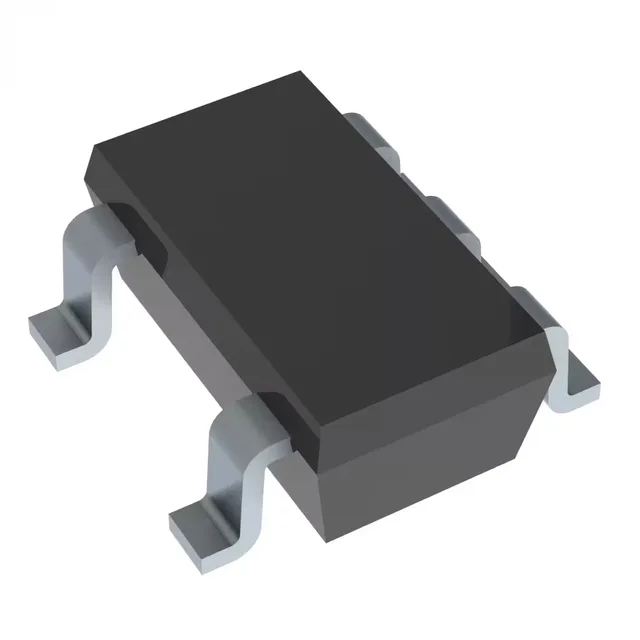
Texas Instruments TPS61097A-33DBVR — DC-DC Power Modules

TPS61097A-33DBVR Boost Converter, Fixed 3.3V Output

MPNTPS61097A-33DBVR
Active

Texas Instruments TPS61097A-33DBVR, Step-Up Boost Converter, Fixed 3.3V Output, 200mA Switch, Synchronous Rectifier, 0.9V to 5.5V Input, SOT-23-5, -40 to 85°C.

$2.1200Ref. price · indicative, final on quote
Independent supplier — new & surplus stockAuthenticity-screened · ESD-safe packingListing updated Jul 2026

Specifications

TPS61097A-33DBVR specifications
ParameterValue
Output typeFixed
MountingSurface Mount
Voltage - input5.5V
Voltage - output (Min (Fixed))3.3V
Output current200mA (Switch)
I/O channels1
Operating temperature-40°C~85°C(TA)
PackageTape & Reel (TR); Cut Tape (CT)
FunctionStep-Up
TopologyBoost
CaseSC-74A, SOT-753
Output configurationPositive
Synchronous rectifierYes

Product details

Fixed 3.3V boost in a SOT-23-5 package

0.9V minimum input — what it buys the battery-powered design

A minimum input voltage of 0.9V lets the converter keep the output regulated as a single-cell alkaline drops below 1.0V or a Li-ion cell discharges to its cutoff. The 200mA switch current limit sets the practical output current ceiling — at 3.3V out from a 1.5V input, expect roughly 80-90mA continuous output before the switch limit is hit, which covers many sensor-node and BLE module rails. The fixed 3.3V output means no external feedback divider; the output is set internally, reducing BOM count and eliminating one tolerance path.

Synchronous rectification and temperature grade

The integrated synchronous rectifier replaces the usual boost diode with a low-Rds(on) FET, which lifts efficiency into the high 80s to low 90s percent range at moderate loads — a meaningful gain when every milliamp-hour counts in a coin-cell or small Li-Po design.

Frequently asked questions

Is TPS61097A-33DBVR pin compatible with TPS61097?

The TPS61097A-33DBVR is a fixed 3.3V output variant of the base TPS61097 family. Pin compatibility depends on the specific TPS61097 variant — the adjustable-output version uses a different feedback pin configuration. Confirm the pinout against the respective datasheets before substituting across the family.