2 MHz boost with a 700 mA flash pulse — the camera flash and LED driver workhorse
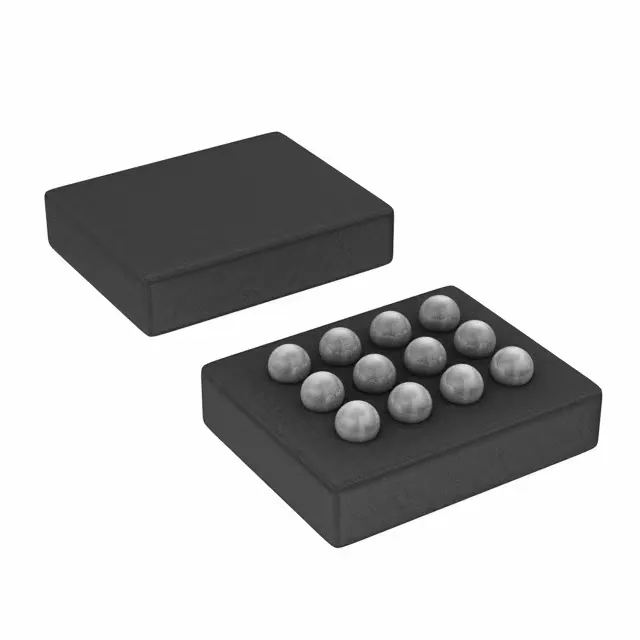
12-DSBGA — the rework profile matters
The 12-DSBGA package is a fine-pitch BGA that demands a controlled reflow profile. For the rework bench: pre-bake if the parts have been exposed to ambient humidity — the small ball size absorbs moisture fast and the vapour pressure can pop the die-attach during reflow. A hot-air nozzle sized to the body, with a peak temperature and soak above the liquidus, and the part self-centres on the pads. No underfill required for consumer-grade shock, but if the board sees repetitive mechanical flex, a capillary-flow underfill buys margin against corner-ball cracking.
For the MRO buyer sourcing a replacement for a camera flash board or a portable LED driver: this part is still in TI's current portfolio, which means the datasheet, the EVM, and the application notes are all current.
PWM dimming input — one wire, no external DAC
The PWM dimming control on the TPS61054YZGR lets the host processor set the LED brightness directly with a pulse train — no extra I²C bus or DAC resistor string on the board. The dimming frequency range is set by the RC time constant on the CTRL pin; a capacitor and resistor give a roll-off clean for human-eye brightness ramps without visible flicker. The camera flash application uses the same pin to trigger the flash pulse — the 700 mA peak hits the LED hard for the exposure window, then the regulator drops back to the standby current.