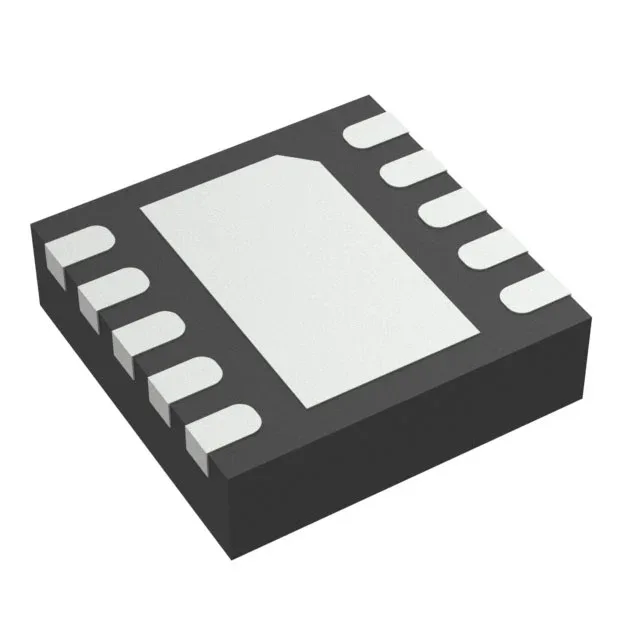
Texas Instruments TPS61050DRCR — DC-DC Power Modules

TPS61050DRCR Camera Flash Boost Regulator, 2 MHz, 1.2 A

MPNTPS61050DRCR
Active

Texas Instruments TPS61050DRCR DC-DC Step-Up (Boost) Regulator, 2 MHz, 1.2 A (Flash) Output, PWM Dimming, 10-VSON (3x3) Package, -40°C to 85°C.

$0.5550Ref. price · indicative, final on quote
Independent supplier — new & surplus stockAuthenticity-screened · ESD-safe packingListing updated Jul 2026

Specifications

TPS61050DRCR specifications
ParameterValue
TypeDC DC Regulator
MountingSurface Mount
Voltage - output5.5V
Supply voltage2.5V
Current - output (Channel)1.2A (Flash)
Frequency2MHz
I/O channels1
Operating temperature-40°C~85°C(TA)
DimmingPWM
PackageTape & Reel (TR)
TopologyStep-Up (Boost)
ApplicationsCamera Flash
Case10-VFDFN Exposed Pad
Internal switchYes

Product details

Boost regulator sized for camera flash LED drive

The TPS61050DRCR is a dedicated step-up (boost) DC-DC regulator from Texas Instruments, designed specifically to drive a high-current LED for camera flash applications. It integrates the switching FET internally and delivers a regulated 5.5 V output at up to 1.2 A in flash mode, with PWM dimming control for exposure timing.

2 MHz switching shrinks the inductor

The 2 MHz switching frequency supports a small inductor, fitting tight PCB layouts in camera modules or handheld devices.

The 1.2 A output is specified as a flash current, not continuous. The part is intended to deliver a short, high-current pulse to the LED during image capture, then drop back to a lower standby or torch current. The PWM dimming input lets the host controller set the flash duration and intensity.

Frequently asked questions

Can TPS61050DRCR be used for other LED applications beyond camera flash?

The part is specified as a camera flash regulator with a 1.2 A flash output and PWM dimming. While the boost topology could drive a high-current LED in other pulsed applications, the datasheet's application focus is flash — continuous high-current operation is not the intended duty cycle.