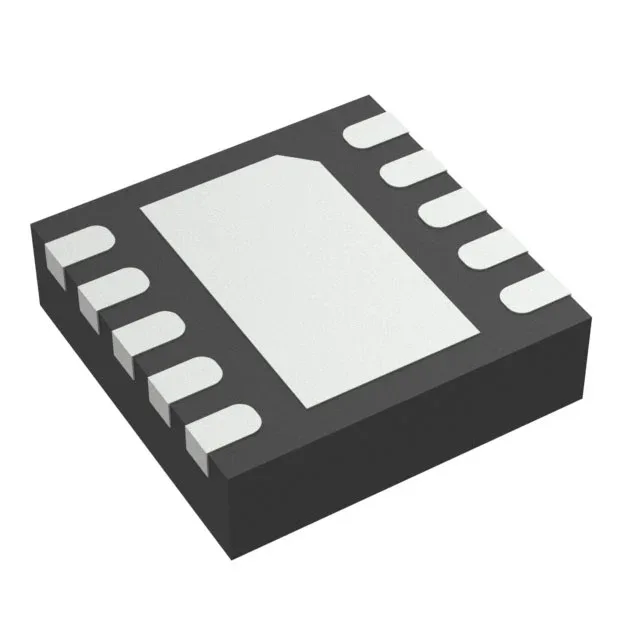
Texas Instruments TPS40190DRCT — Analog & Data Acquisition

TPS40190DRCT Buck Controller, 4.5V-15V, 300kHz, 10-VSON

MPNTPS40190DRCT
End of Life

Texas Instruments TPS40190DRCT synchronous buck controller, step-down topology, 4.5V to 15V input, 300kHz switching, 85% max duty cycle, single output, 10-VFDFN exposed pad package, -40°C to 85°C.

$2.94Ref. price · indicative, final on quote
Packaging10-VFDFN Exposed Pad
RoHSROHS3 Compliant
Sourced new & surplus through independent channelsAuthenticity-screened · ESD-safe packingListing updated Aug 2026

Specifications

TPS40190DRCT specifications
ParameterValue
Output typeTransistor Driver
MountingSurface Mount
Voltage - supply (Vcc (Vdd))4.5V ~ 15V
Frequency300kHz
I/O channels1
Output phases1
Duty cycle85%
Operating temperature-40°C ~ 85°C (TA)
PackageTape & Reel (TR); Cut Tape (CT)
FunctionStep-Down
TopologyBuck
Clock syncNo
Case10-VFDFN Exposed Pad
Control featuresEnable
Output configurationPositive
Synchronous rectifierYes

Product details

Input range and switching frequency — the two numbers that size the power stage

The TPS40190DRCT accepts a 4.5 V to 15 V supply rail, which covers standard 5 V, 9 V, and 12 V intermediate buses used in industrial and telecom equipment. Switching at 300 kHz, the controller lets you use a smaller inductor than a 100 kHz design, but the 85 % max duty cycle means the output voltage must stay below about 12.75 V from a 15 V input — enough for a 12 V rail but not a 5 V rail from a 5.5 V input.

Synchronous rectifier and temperature grade — efficiency and environment

The built-in synchronous rectifier replaces the external freewheeling diode with a low-side FET driver, boosting efficiency by several points at high current — expect 90 %+ in a well-laid-out 12 V to 3.3 V conversion at a few amps.

ROHS3 compliant, so it passes the EU material restriction for new designs without exemption paperwork.

Frequently asked questions

What are the alternatives to TPS40190DRCT?

The TPS53124RGET is a dual-output synchronous buck controller from the same D-CAP family, but it drives two outputs instead of one — not a single-output drop-in replacement.