3.3V rail watchdog — what the TPS3851G33SDRBR does
It holds the reset active for a minimum of 170ms after the supply returns above threshold, giving the system time to stabilize before the processor or logic starts executing.
170ms reset timeout — why it matters for power sequencing
The 170ms minimum reset timeout is the period the output stays low after the monitored 3.3V rail rises above the threshold. This gives the oscillator, PLL, and internal voltage regulators time to settle before the processor releases from reset. If your MCU or FPGA requires a longer startup delay, you will need an external RC or a programmable supervisor — this part's timeout is fixed.
Active low, open drain — connecting to the reset input
The open-drain output pulls low when the supply is below threshold or during the timeout period.
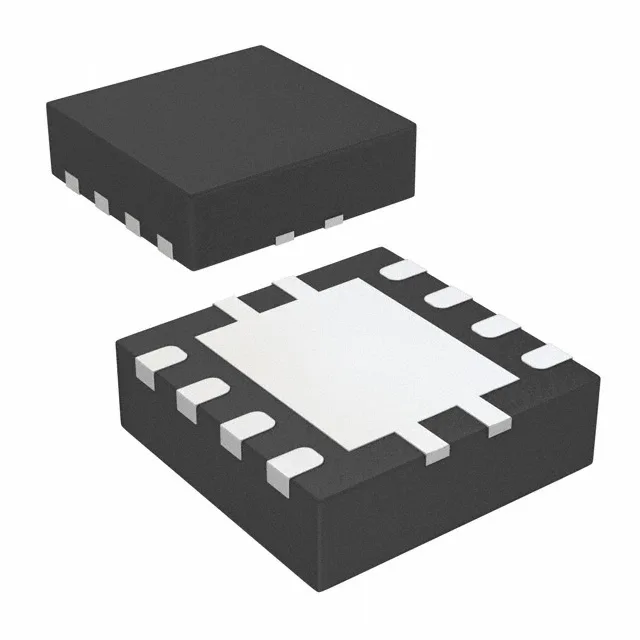
8-SON package — rework and footprint notes
The 8-SON (3x3 mm) package with exposed pad is a small DFN-style part. Reworking this package is straightforward with hot air, but the small size means the part can shift during reflow if the solder paste volume on the thermal pad is not controlled.
Temperature range and deployment environments
It can sit in outdoor telecom cabinets, engine bay electronics, factory floor PLCs, or any 3.3V system that must survive cold starts and hot soak conditions. The wide temperature range does not degrade the reset threshold accuracy — the datasheet specifies threshold tolerance across the full range.