What the active-high reset means for your processor interface
The TPS3840PH40DBVR asserts a logic-high reset output when the monitored supply drops below the 4V threshold. The active-high polarity is less common than active-low — confirm your MCU or SoC expects a high-going reset pulse, or plan an external inverter. The push-pull output drives the reset line rail-to-rail without a pull-up resistor, saving a BOM component. Reset timeout is 619 ms typical, long enough to let the primary supply and oscillator settle before the processor starts executing. In a battery-charger or motor-drive controller, that delay prevents code fetch before the rail is stable.
Temperature range and package for harsh environments
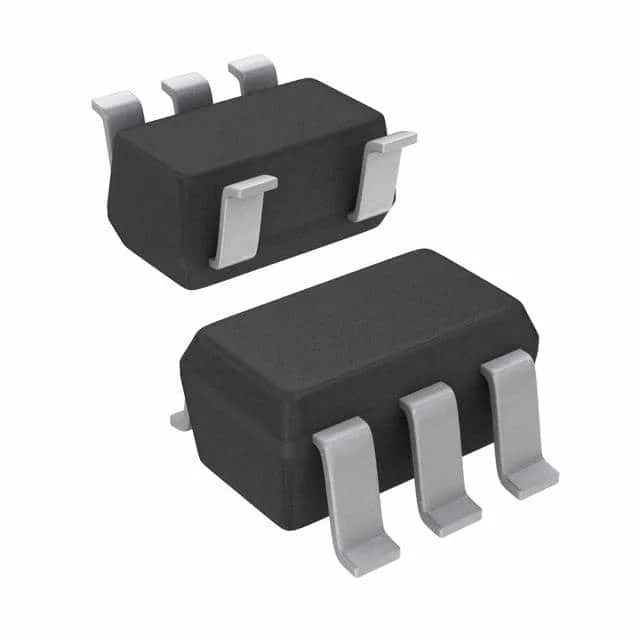
The SOT-23-5 package occupies minimal board area — the 0.95 mm pitch is hand-solderable but benefits from a solder stencil for consistent fillets. Compared to the TLV803EA29VDBZR, which uses an active-low open-drain output and requires an external pull-up, the TPS3840PH40DBVR's active-high push-pull stage eliminates that resistor and the associated failure point. The TLV803 series has a shorter minimum reset timeout (130 ms vs 619 ms typical); choose the TPS3840 when a longer power-up delay is needed.
The base product number TPS3840 covers a family of threshold and timeout options, so a voltage or timing change in a future spin stays within the same footprint. ROHS3 compliant — no exemption concerns for EU or global markets.