2.93V threshold — the undervoltage trip point for 3.3V rails
This threshold is tailored for 3.3V nominal supplies — the reset triggers before the rail falls out of spec for most downstream logic, giving the system a clean restart. The reset output is active-low, open-drain, so it can be wire-ORed with other reset sources or pulled up to a different voltage than the monitored rail.
20 ms reset timeout — timing for the downstream boot sequence
The minimum reset timeout of 20 ms holds the reset line low long enough for the downstream processor or FPGA to complete its power-on reset sequence. If the timeout were shorter, the processor might start before its internal regulators and oscillators have settled; if longer, the system would waste time waiting. The 20 ms figure is a datasheet minimum, so the actual timeout will be longer — design the system timing budget assuming the minimum, not a typical value.
SOT-23-6 footprint and industrial temperature range
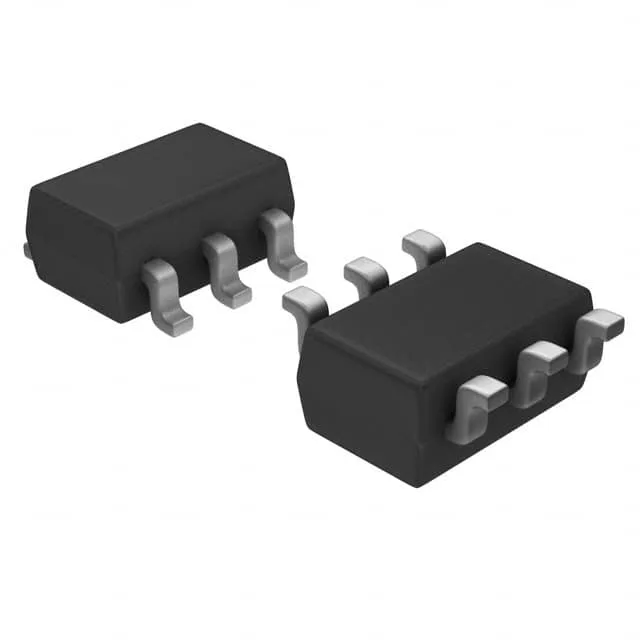
The SOT-23-6 package is a compact surface-mount footprint, 6 pins, with a 0.95 mm pitch typical for this family. For designs that need -40°C to 125°C, look at the TPS382x family; for the same threshold in a smaller package, the TPS3808 series offers a 1.6 mm x 1.6 mm X2SON option.
For a simple reset IC, this is the expected lifecycle — these parts tend to stay active for years because they are commodity building blocks. No official successor or second-source cross-reference is listed, but the TPS3813 family has been stable in the TI portfolio for over a decade.