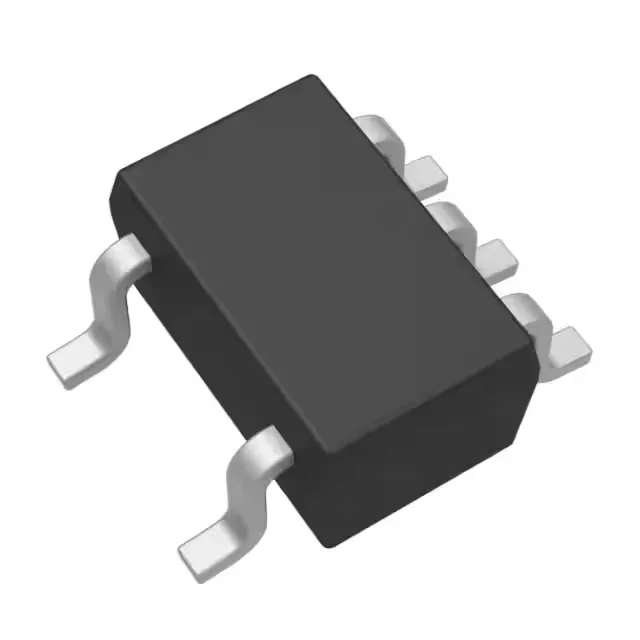
The Texas Instruments TPS3801T50DCKR is a simple reset/power-on reset IC that monitors a single 4V supply rail and asserts an active-low reset signal when the voltage drops below threshold. It is a straightforward, no-frills supervisor for systems that need a clean power-on reset and brown-out detection on a 4V rail. With a minimum reset timeout of 15ms, it holds the system in reset long enough for the supply to stabilize after power-up.
ROHS3 compliance is confirmed, so it passes the material restrictions for European and global markets without exemption paperwork.
15ms minimum reset timeout — what it buys you
The reset timeout is specified as 15ms minimum. This is the time the reset output stays asserted after the monitored voltage rises above the threshold. For a typical microcontroller or FPGA, 15ms is enough to let the bulk capacitor charge and the oscillator start before the core begins executing code. If your system has a slow-start DC-DC converter or a large input capacitor, verify that 15ms is sufficient for your power rail to reach regulation. The timeout is a minimum, so the actual time will be longer across temperature and process — but the design should not rely on that margin.
Push-pull output — no pull-up resistor needed
The output is push-pull (totem pole), which means the reset signal is actively driven high and low. This is a practical advantage over open-drain supervisors that require an external pull-up resistor to a logic voltage. One fewer component on the BOM, one fewer trace to route, and no risk of the reset line floating if the pull-up is missing. The active-low reset polarity is standard for most MCUs and DSPs that have a /RESET input.