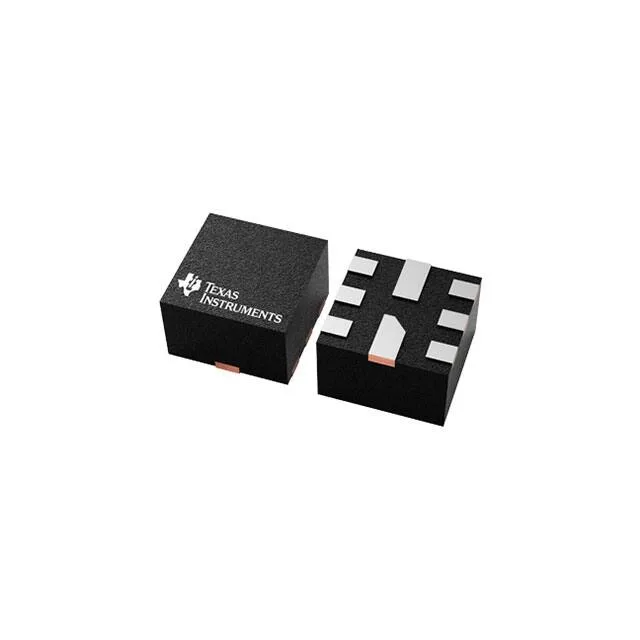
Texas Instruments TPS22992SRXNR — Power Management (PMIC / Gate Driver)

TPS22992SRXNR Load Switch, 8.7 mOhm Rds(on), 6 A

MPNTPS22992SRXNR
Active

Texas Instruments TPS22992SRXNR, General Purpose Load Switch, 1 Output, High Side, 8.7 mOhm Rds(on) Typ, 6 A Max, 1.5 V to 5.5 V Supply, -40 to 125 °C, 8-WQFN-HR (1.25x1.25).

$0.6000Ref. price · indicative, final on quote
Independent supplier — new & surplus stockAuthenticity-screened · ESD-safe packingListing updated Jul 2026

Specifications

TPS22992SRXNR specifications
ParameterValue
Input typeNon-Inverting
Output typeN-Channel
TypeGeneral Purpose
MountingSurface Mount
Voltage - load1V ~ 5.5V
Voltage - supply (Vcc (Vdd))1.5V ~ 5.5V
Output current6A
I/O channels1
InterfaceOn/Off
Operating temperature-40°C~125°C(TA)
PackageTape & Reel (TR); Cut Tape (CT)
FeaturesSlew Rate Controlled
Rds on8.7mOhm
Case8-WFQFN
Fault protectionCurrent Limiting (Fixed), Over Temperature
Output configurationHigh Side
Ratio - Input:Output1:1

Product details

Load switch with 8.7 mOhm on-resistance — what it buys you

Its typical Rds(on) of 8.7 mOhm keeps conduction loss low at the 6 A maximum continuous output.

Input range, control, and protection

The On/Off interface is non-inverting and the output is an N-channel MOSFET configured as a high-side switch with a 1:1 input-to-output ratio. Built-in fault protection includes fixed current limiting and over-temperature shutdown — no external sense resistor or thermistor needed.

Slew-rate control and temperature grade

Slew-rate controlled switching reduces inrush current and supply droop when the load is connected, a useful feature for powering capacitive loads like sensor modules or radio front-ends.

Frequently asked questions

What is the Rds(on) of the TPS22992SRXNR?

The typical Rds(on) is 8.7 mOhm, specified at the operating condition in the datasheet. This is the conduction-loss figure to use for thermal budgeting at the 6 A maximum output.

Does the TPS22992SRXNR have overcurrent protection?

Yes, it includes fixed current limiting and over-temperature shutdown as built-in fault protection.