80 mW into 600 Ω — the load that defines it
The TPA6120A2DWPR is a Texas Instruments Class AB stereo headphone amplifier delivering 80 mW per channel into a 600 Ω load. That 80 mW figure is the headline rating — it tells you the amplifier is designed for high-impedance studio or monitoring headphones, not low-impedance earbuds. At 32 Ω the available power is lower, so if your BOM calls for driving 16–32 Ω loads, the 600 Ω spec is a warning, not a target.
Supply rails: 10 V to 30 V single or ±5 V to ±15 V split
The amplifier runs on a single supply from 10 V to 30 V, or split supplies from ±5 V to ±15 V. That range covers standard audio rails — ±12 V or ±15 V are common in professional gear, while a single 24 V rail works in industrial or automotive audio stages. The wide tolerance means you can share a rail with other analog circuitry without a dedicated regulator. Differential inputs reject common-mode noise picked up on long signal runs inside a chassis — useful when the amplifier sits on a separate board from the DAC or codec. Short-circuit and thermal protection keep the output stage from failing if the headphone jack is shorted or the part is driven hard into a reactive load.
20-SOIC with exposed pad — reworkable, but mind the thermal slug
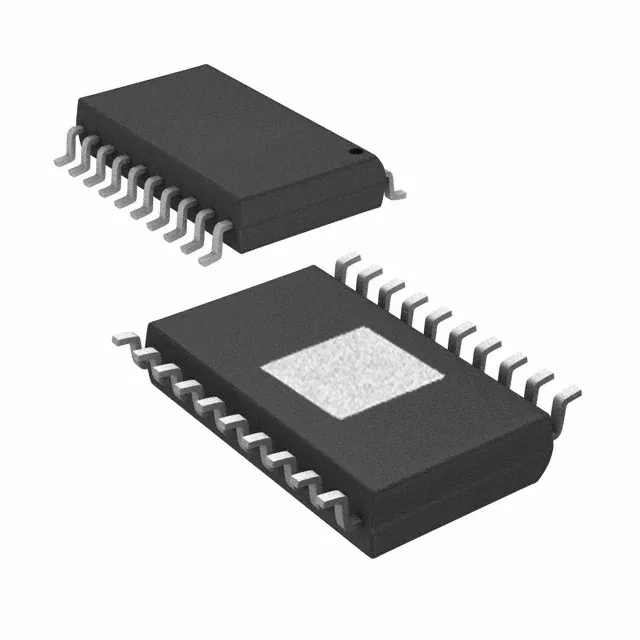
The 20-SOIC package (0.295-inch body width, 7.50 mm) includes an exposed thermal pad on the bottom. That pad must be soldered to a copper plane on the PCB to pull heat out of the output stage — without it, the thermal protection may trip at lower output levels. The part is surface-mount and reworkable with hot air if you preheat the board; the exposed pad wicks heat fast, so a bottom-side preheat at 100–120 °C helps the solder wet evenly under the slug.