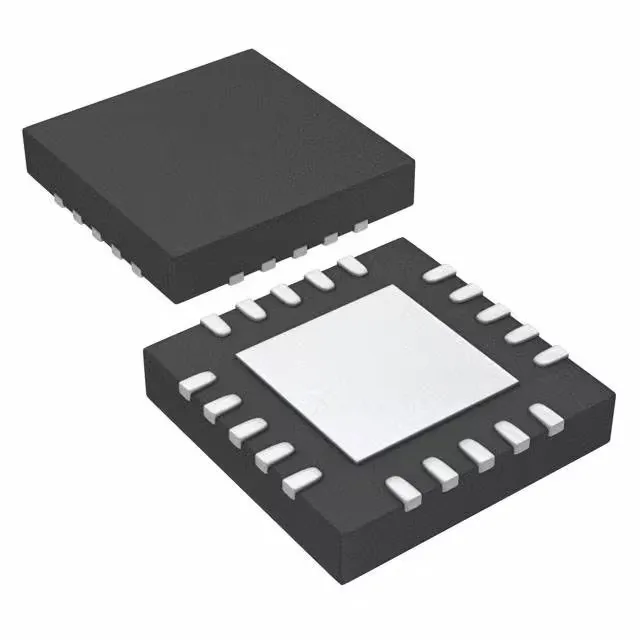
Texas Instruments TPA6020A2RGWR — Memory (DRAM / SRAM / Flash / EEPROM)

TPA6020A2RGWR Class AB Stereo Amplifier, 2.8W x 2 @ 3Ω

MPNTPA6020A2RGWR
End of Life

Texas Instruments TPA6020A2RGWR, Class AB stereo audio amplifier, 2.8W x 2 channels into 3Ω loads, 2.5V-5.5V supply, differential inputs, shutdown, thermal protection, 20-VQFN Exposed Pad package, -40°C to 85°C operation.

$3.08Ref. price · indicative, final on quote
Packaging20-VQFN Exposed Pad
StockContact for availability
MOQ1 pcs
  • 100% new & originalTraceable channels only — no refurbs, no pulls, no remarked parts.
  • Date & lot codes on quoteStated per line before you commit; label photos on request.
  • MSL-compliant ESD packingMoisture-sealed bags with indicator cards; reels photo-verified.
  • PayPal buyer protectionPay by T/T, PayPal or Payoneer — card payments covered end to end.

Specifications

TPA6020A2RGWR Technical Specifications
ParameterValue
TypeClass AB
Output type2-Channel (Stereo)
Mounting typeSurface Mount
Voltage2.5V ~ 5.5V
Max output power x channels @ load2.8W x 2 @ 3Ohm
Operating temperature-40°C ~ 85°C (TA)
PackageTape & Reel (TR); Cut Tape (CT)
FeaturesDifferential Inputs, Shutdown, Thermal Protection
Case20-VQFN Exposed Pad

Product details

2.8W stereo into 3Ω — what that means for the BOM

The TPA6020A2RGWR is a Class AB stereo amplifier from Texas Instruments that delivers 2.8W per channel into a 3Ω load. That power level suits portable speakers, docking stations, and small-format audio gear where the speaker impedance drops to 3Ω and you need clean audio without a heatsink — the exposed pad on the 20-VQFN (5x5mm) handles the thermal dissipation. Supply range from 2.5V to 5.5V means it runs off a single Li-ion cell (3.6V nominal) or a regulated 5V rail, so the same part fits battery-portable and USB-powered designs.

Differential inputs and shutdown

Differential inputs reject common-mode noise picked up on long audio input traces — useful when the amp sits near a switching regulator or digital processor on the same board. The shutdown pin lets a GPIO or power-management IC pull the amp into low-power idle, extending battery run time between audio bursts. Thermal protection cycles the output if the die temperature climbs past the trip point, so a stalled speaker or blocked vent doesn't kill the part.

Active production, no obsolescence pressure

The TPA6020A2RGWR carries an Active product status — TI is still manufacturing this line, no last-time-buy notice, no end-of-life window. ROHS3 compliant, so it passes current EU and Asian material restrictions without an exemption hunt. For a BOM line that needs a known-good audio amp with stable supply, this part isn't a sourcing risk.

Temperature grade and operating environment

Rated for -40°C to 85°C ambient — the industrial temperature range. That covers outdoor telecom enclosures, automotive cabin audio (non-under-hood), factory-floor sound systems, and any environment where the amp sees seasonal temperature swings or enclosure heat rise.

Frequently asked questions

Does TPA6020A2RGWR support differential inputs?

Yes, the TPA6020A2RGWR features differential inputs, which reject common-mode noise on the audio signal lines — useful when the amplifier shares a PCB with switching converters or digital logic.

What is the output power of TPA6020A2RGWR?

The TPA6020A2RGWR delivers 2.8W per channel into a 3Ω load in a stereo (2-channel) configuration. Power output varies with supply voltage and load impedance.

Is TPA6020A2RGWR suitable for battery-powered devices?

Yes, the 2.5V to 5.5V supply range covers single-cell Li-ion (3.6V nominal) and two-cell alkaline or NiMH packs. The shutdown feature further reduces draw during idle periods, extending battery runtime.

Does TPA6020A2RGWR require an external heatsink?

The 20-VQFN package includes an exposed pad that conducts heat to the PCB copper plane. For the 2.8W/channel output level into 3Ω, adequate PCB copper area on the pad's thermal land typically eliminates the need for a separate heatsink — but thermal design should be verified against the actual load, ambient temperature, and enclosure airflow.