10W per channel into 4 Ohm — the output that drives cabin speakers
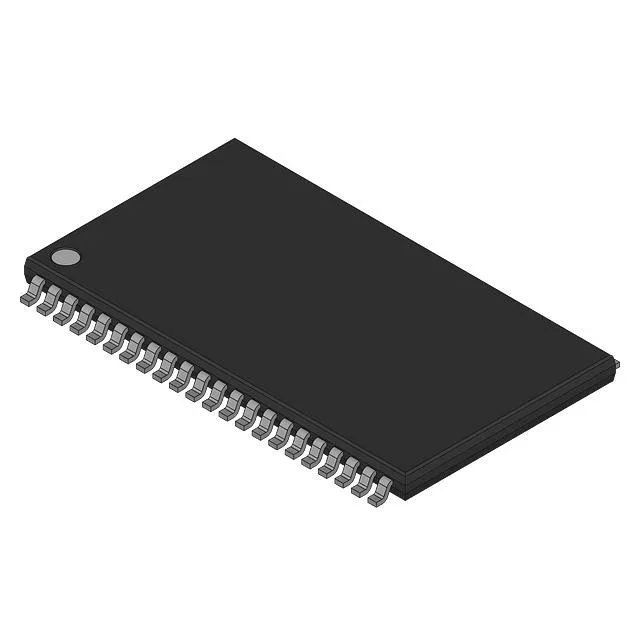
The TPA032D04DCAR delivers 10W per channel into a 4 Ohm load, which is the typical impedance for automotive door and dash speakers. That power level fills a passenger cabin without an external amplifier stage — the Class D switching topology keeps the heat dissipation low enough for the 48-HTSSOP exposed-pad package. Supply range is 8V to 14V, matching the nominal 12V automotive battery bus. The lower end covers cranking dips below 9V; the upper end stays within the 14V alternator regulation ceiling.
Temperature grade and the under-hood deployment envelope
An infotainment head unit mounted in the dashboard sees 85°C on a hot day; the 40°C margin above that covers the thermal rise inside the sealed enclosure.
Active lifecycle, but watch the RoHS status
The RoHS status is non-compliant, which indicates a lead-bearing (SnPb) finish on the package terminations. This is legacy inventory or a special automotive-grade variant that was exempted from RoHS at the time of qualification. For EU RoHS BOMs, verify whether your application accepts the exemption or requires a Pb-free alternative.
Stereo plus headphone — dual-zone audio routing
The output stage is 2-channel stereo with a separate stereo headphone output. In a vehicle, this lets the main speakers run from the 10W channels while the headphone jack drives a lower-power load — useful for rear-seat entertainment or a separate navigation audio feed. The headphone output is not a third channel; it shares the front-end signal path.