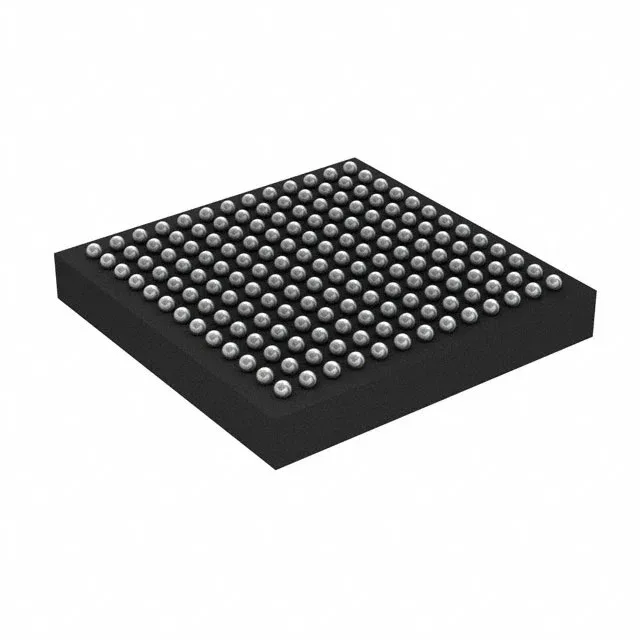
Texas Instruments TM4C123GH6ZXRI7R — Microcontrollers & Processors (MCU / MPU / DSP)

TM4C123GH6ZXRI7R Tiva C ARM Cortex-M4F MCU, 80MHz

MPNTM4C123GH6ZXRI7R
Active

Texas Instruments Tiva C Series, TM4C123GH6ZXRI7R, ARM Cortex-M4F 32-Bit Single-Core MCU, 80MHz, 256KB Flash, 32K x 8 RAM, 2K x 8 EEPROM, USB OTG, CAN, I²C, SPI, 24-ch 12-bit ADC, 120 I/O, 1.08V–3.63V, -40 to 85°C, 168-NFBGA.

$8.4748Ref. price · indicative, final on quote
Independent supplier — new & surplus stockAuthenticity-screened · ESD-safe packingListing updated Jul 2026

Specifications

TM4C123GH6ZXRI7R specifications
ParameterValue
SeriesTiva™ C
MountingSurface Mount
Oscillator typeInternal
Program memory typeFLASH
Voltage - supply (Vcc (Vdd))1.08V ~ 3.63V
Operating temperature-40°C~85°C(TA)
Speed80MHz
PackageTape & Reel (TR)
RAM size32K x 8
Core size32-Bit Single-Core
EEPROM size2K x 8
PeripheralsBrown-out Detect/Reset, DMA, Motion PWM, POR, WDT
ConnectivityCANbus, I²C, IrDA, Microwire, QEI, SPI, SSI, UART/USART, USB OTG
Number of i (O)120
Core processorARM® Cortex®-M4F
Case168-TFBGA
Data convertersA/D 24x12b
Program memory size256KB (256K x 8)

Product details

The peripheral set includes USB OTG, CAN 2.0, multiple I²C, SPI/SSI, and UART interfaces, plus a 24-channel 12-bit ADC and motion-PWM timers. This combination targets industrial control, motor drives, sensor fusion, and human-machine interface applications where deterministic real-time response and moderate signal processing are required.

256 KB Flash / 32 KB RAM — the mid-range memory tier

It is not the high-density option (512 KB+ Flash) nor the low-pin-count value line. The 32 KB RAM is sufficient for a single control loop with moderate data buffering; designs needing a large frame buffer or dual Ethernet stacks should look at the higher-RAM siblings. The 2 KB EEPROM is a practical addition for storing calibration constants and fault logs without wearing the Flash.

168-NFBGA (7x7) — footprint and board implications

The 168-ball fine-pitch BGA (NFBGA, 7x7 mm body) delivers 120 I/O in a compact footprint, but it demands a multi-layer PCB with microvias or blind vias for fanout. Assembly requires solder paste inspection and X-ray verification.

Industrial temperature range — -40 to 85°C

It is not qualified to AEC-Q100, so automotive under-hood or chassis-domain deployment would require a separate qualification review.

Frequently asked questions

What is the exact difference between TM4C123GH6ZXRI7R and TM4C123GH6ZRI?

The TM4C123GH6ZXRI7R and TM4C123GH6ZRI share the same core, memory, and peripheral set. The suffix difference typically indicates a packaging or tape-and-reel variant. The TM4C123GH6ZXRI7R is specified as Tape & Reel (TR) packaging, while the TM4C123GH6ZRI may be supplied in tray or tube. Pin compatibility is identical — the BOM footprint does not change.

Can TM4C123GH6ZXRI7R be used in automotive applications?

For automotive under-hood or safety-critical applications, a dedicated automotive-grade MCU with AEC-Q100 certification would be required.