80 MHz Cortex-M4F with FPU — what it means on the bench
The TM4C123GH6ZRBI7 is a Tiva C series MCU built around an ARM Cortex-M4F core with a single-precision floating-point unit, clocked at 80 MHz. That FPU handles sensor fusion and motor-control math without an external DSP, which keeps the BOM count down on a panel controller or an industrial gateway. The 256 KB Flash and 32 KB RAM are enough for a real-time OS, a USB stack, and a CANopen node — not enough for a GUI-heavy HMI, but that's not what this part is for.
Connectivity and I/O — the fieldbus and sensor interface
This MCU carries CAN, USB OTG, and multiple serial interfaces (I²C, SPI, SSI, UART, IrDA, Microwire) plus a Quadrature Encoder Interface (QEI).
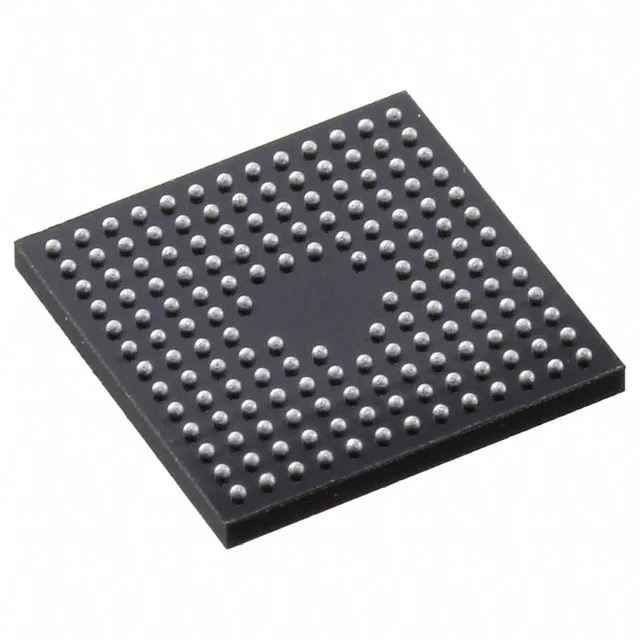
Rated for -40 to 85 °C, this part is at home on a factory floor, in an outdoor telecom cabinet, or inside a commercial HVAC controller. It is not rated for under-hood automotive or downhole — the 85 °C ceiling is the limit. The 157-VFBGA (9x9 mm Microstar Junior) demands a controlled reflow profile and X-ray inspection after assembly; this is not a hand-solder part for prototype rework.
The lifecycle record shows an EOL hot flag, though the manufacturer status still reads Active. That contradiction means the part is in its last procurement window — the factory may still accept orders, but the clock is running.