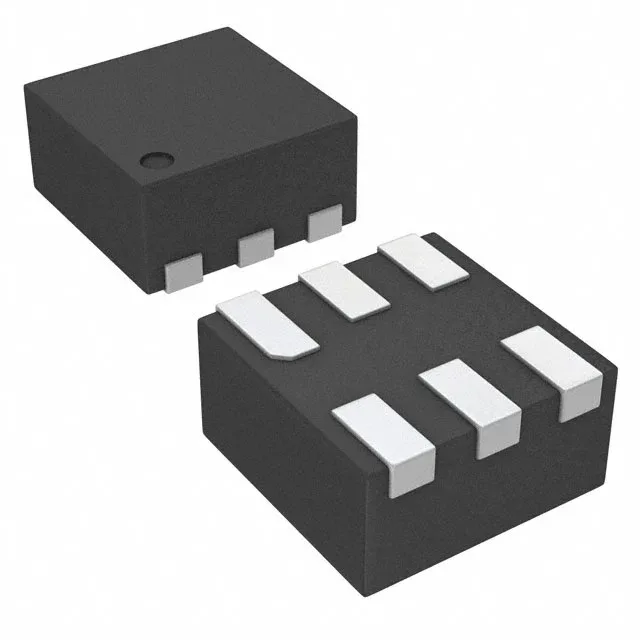
Fixed 3.6V rail with 68dB PSRR — where the noise rejection matters
The TLV70236DSET is a 300 mA low-dropout linear regulator from Texas Instruments, delivering a fixed 3.6 V output from a maximum 5.5 V input rail. The headline spec here is 68 dB of PSRR at 1 kHz. On a 3.6 V rail feeding an analog front-end — say a sensor ADC or an op-amp Vref buffer — that rejection knocks down a 100 mVpp ripple at 1 kHz to about 40 µVpp at the output. For a 12-bit ADC with a 3.6 V reference, that keeps the ripple below 0.5 LSB. The regulator's own quiescent draw is 55 µA typical, rising to 370 µA max under all conditions, so the battery penalty for keeping the rail clean is negligible.
Dropout, protection, and thermal — what the 0.38V headroom means on the board
Maximum dropout voltage is 0.38 V at the full 300 mA load. For battery-powered designs, the input should be a 5 V rail or a boost converter holding above 4.0 V. Protection is comprehensive: over-current, over-temperature, reverse polarity, and under-voltage lockout (UVLO) are all built in. The UVLO threshold prevents the output from turning on until the input is high enough to stay in regulation, so the load never sees a brown-out startup. Reverse polarity protection means a backwards battery connection won't blow the regulator — the body diode of the internal pass FET blocks the reverse current. In an under-hood ECU or an industrial sensor head that sees 105°C ambient, the 125°C junction limit leaves margin for self-heating from the 300 mA load.
Active production — no last-time-buy pressure
The regulator is ROHS3 compliant, so it clears the EU regulatory gate without an exemption.