Low-voltage shunt reference — what it does in the circuit
It is the low-voltage sibling in the TL431 family, designed for precision regulation where the reference voltage sits below the 2.5V floor of the classic TL431. With a ±1.5% tolerance, it holds the setpoint tighter than the standard ±2% grade, which matters when the regulation window is tight — think power-supply feedback dividers or comparator thresholds in industrial control loops.
Drive capability and bias current
The device can sink up to 15 mA of output current, which is enough to drive the optocoupler LED in a flyback supply or pull down a bias resistor network. The minimum cathode current is 80 µA — below that the reference stops regulating, so the bias resistor must be sized to keep at least 80 µA flowing through the device at all times.
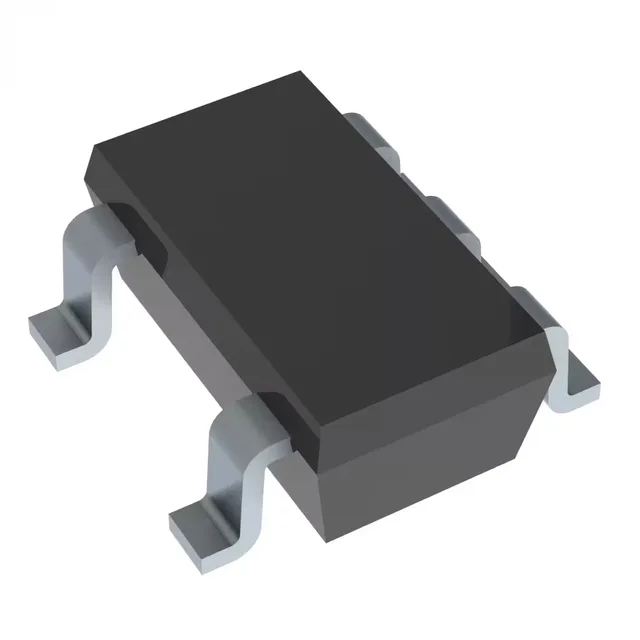
Housed in a SOT-23-5 (SC-74A compatible) package, this is a five-pin surface-mount part with a 0.95 mm pitch — straightforward for hand assembly or rework with a fine-tip iron.
Obsolete — sourcing path and replacement
The closest functional alternative in the same family is the TLV431A series (e.g., TLV431AIDBZR), which shares the same 1.24V reference and SOT-23-5 footprint but carries a tighter ±1% tolerance — verify the pinout and compensation before swapping.
Sourcing this line item
Because the part is obsolete, new stock moves through independent distribution and surplus channels. No stock-holding claim; each lot is verified against the original TI specification before shipment.