Texas Instruments TLV431AQPK — Analog & Data Acquisition

TLV431AQPK Adjustable Shunt Regulator, 1.24V-6V, ±1%

MPNTLV431AQPK
Active

Texas Instruments TLV431AQPK low-voltage adjustable precision shunt regulator, 1.24V to 6V output, ±1% tolerance, 15 mA output, 100 µA cathode current, -40°C to 125°C, SOT-89-3 surface-mount package.

$0.4118Ref. price · indicative, final on quote
Independent supplier — new & surplus stockAuthenticity-screened · ESD-safe packingListing updated Jul 2026

Specifications

TLV431AQPK specifications
ParameterValue
Output typeAdjustable
MountingSurface Mount
Reference typeShunt
Voltage - output6 V
Voltage - output (Min (Fixed))1.24V
Output current15 mA
Current - cathode100 µA
Operating temperature-40°C~125°C(TA)
PackageTape & Reel (TR); Cut Tape (CT)
Tolerance±1%
CaseTO-243AA

Product details

Adjustable shunt reference for precision bias rails

It provides a reference voltage adjustable from 1.24V up to 6V using two external resistors, with a tight ±1% tolerance at 25°C. Rated for an output current of 15 mA and a cathode current as low as 100 µA, it suits always-on bias or reference circuits where quiescent power must be minimised.

Package and mounting — SOT-89-3

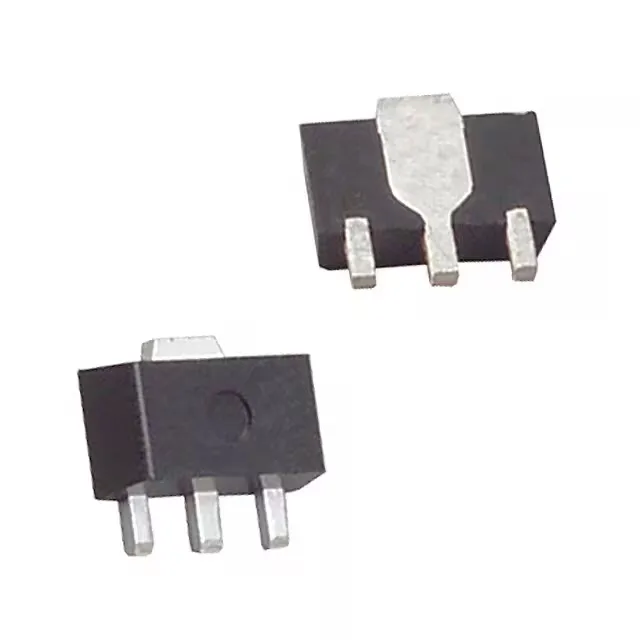
Housed in a TO-243AA (SOT-89-3) surface-mount package, the TLV431AQPK is a three-terminal device with a large collector pad for heat sinking. The supplier device package is SOT-89-3.

Frequently asked questions

What is the difference between TLV431AQPK and TL431?

The TLV431AQPK operates at a lower reference voltage (1.24V vs the TL431's 2.5V) and a lower minimum cathode current (100 µA vs 1 mA typical), making it better suited for low-voltage, low-power bias rails. The TLV431AQPK also offers a tighter ±1% tolerance.

Can TLV431AQPK be used as a comparator?

Yes, like other shunt regulators in the TL431 family, the TLV431AQPK can function as a voltage comparator when the reference pin is driven above or below the internal 1.24V threshold — the output (cathode) switches between high-impedance and active-low states.