1.24 V minimum reference — sets the regulation floor
That 1.24 V threshold is the lowest regulated voltage you can set with the external resistor divider — below that the device stops regulating and behaves like a diode. Output is adjustable via two external resistors, giving flexibility to set any reference between 1.24 V and 6 V. The ±1% tolerance on the internal reference keeps the set point tight across temperature and lot variation, which matters when the reference feeds an ADC or comparator threshold.
15 mA output and 80 µA cathode — sizing the bias resistor
The device can sink up to 15 mA continuous, which sets the upper limit for the load you can regulate. The minimum cathode current is 80 µA — below that the shunt loses regulation. When you size the bias resistor from the supply rail, you need to ensure the current through the TLV431 stays between 80 µA and 15 mA over all load and supply conditions.
SOT-23-3 footprint — board area and thermal note
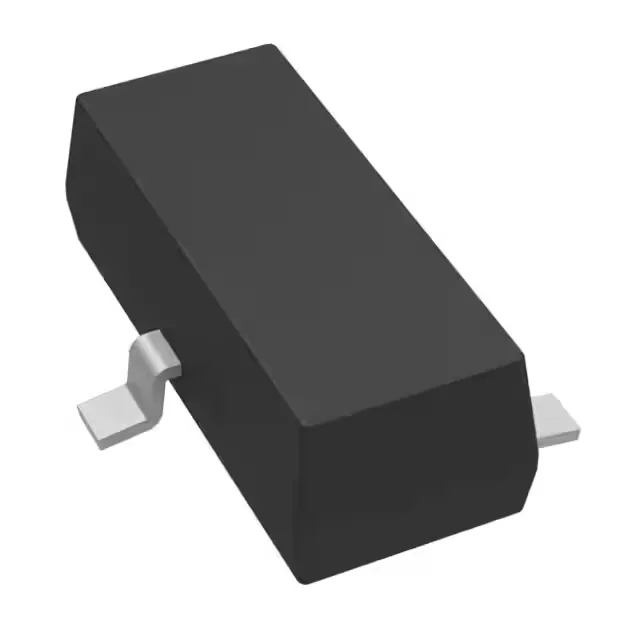
The TLV431ACDBZR comes in a SOT-23-3 package, which is a three-lead surface-mount package occupying roughly 3 mm × 1.5 mm of board area. The small footprint suits dense designs, but the thermal dissipation is limited — at 15 mA output and a few volts of cathode-to-anode drop, the power is under 100 mW, so no special thermal management is needed for most indoor applications.
Commercial temperature grade — indoor and office equipment
It fits power supplies, battery chargers, and voltage monitoring circuits in consumer electronics, office equipment, and appliance PCBs. Not specified for automotive or extended industrial environments.