What this comparator brings to the rail
Built-in 20mV hysteresis cleans up the switching threshold so the output doesn't oscillate on slow-moving analog signals — useful for threshold detectors, zero-crossing circuits, and sensor comparators where external feedback resistors would otherwise be required. Quiescent current maxes at 3.5µA, so it fits battery-powered equipment, portable instrumentation, and always-on monitoring circuits where every microamp counts.
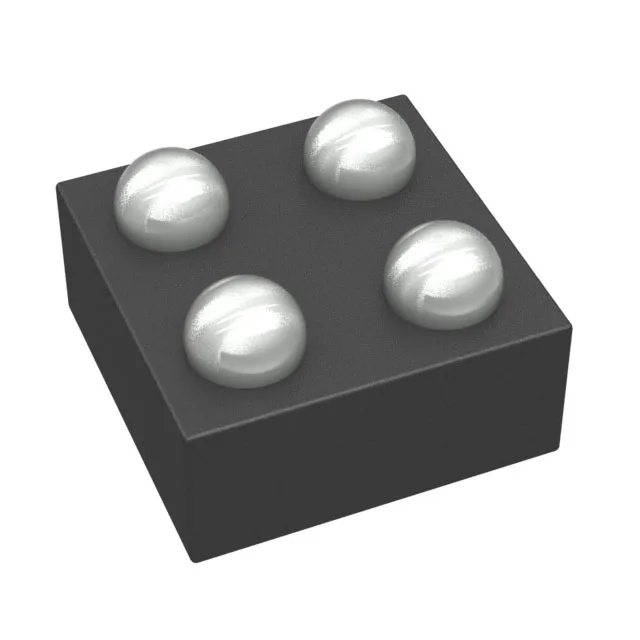
The DSBGA package is not moisture-sensitive per JEDEC MSL-1 typically, but verify the reel label for bake requirements before reflow.
Sourcing and lifecycle — active part, no LTB pressure
No last-time-buy or end-of-life notices are on record.
Cross-reference check — TLV9032DDFR vs this part
The TLV9032DDFR is a dual-channel comparator with a faster 100ns propagation delay and a slightly wider 1.65V minimum supply. It draws 5pA input bias versus 10pA here, and offers 70dB CMRR / 95dB PSRR — better noise rejection. If your design needs two channels or tighter timing, the TLV9032DDFR is a functional step-up, but it is not pin-compatible (different package and pinout). The TLV4051R2YKAR remains the single-channel, ultra-small-footprint choice.