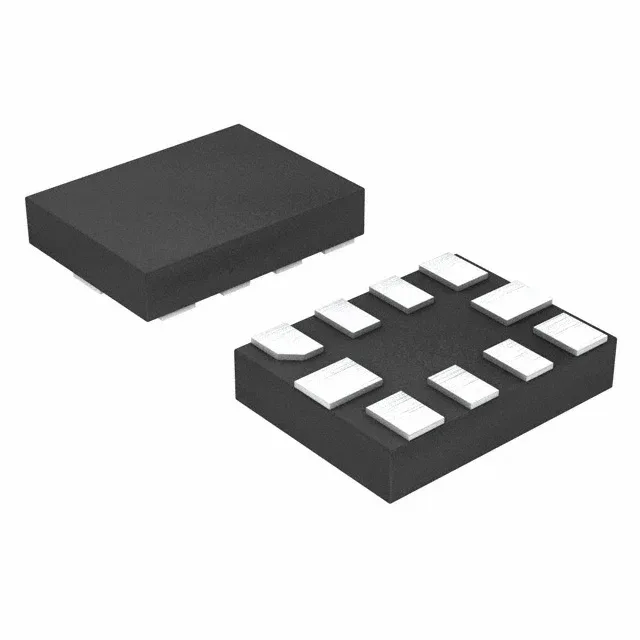
Texas Instruments TLV342SIRUGR — Analog & Data Acquisition

TLV342SIRUGR CMOS Op-Amp, Rail-to-Rail, 2.3 MHz, 1V/µs

MPNTLV342SIRUGR
End of Life

Texas Instruments TLV342SIRUGR, dual CMOS rail-to-rail op-amp, 2.3 MHz gain bandwidth, 1V/µs slew rate, 1.5V to 5.5V supply, 75µA per channel, 10-X2QFN (2x1.5mm) package, -40°C to 125°C.

$1.28Ref. price · indicative, final on quote
Packaging10-XFQFN
RoHSROHS3 Compliant
Independent supplier — new & surplus stockAuthenticity-screened · ESD-safe packingListing updated Aug 2026

Specifications

TLV342SIRUGR specifications
ParameterValue
Output typeRail-to-Rail
MountingSurface Mount
Amplifier typeCMOS
Voltage - input offset300 µV
Voltage - supply span5.5 V
Current - supply75µA (x2 Channels)
Current - input bias1 pA
Current - output (Channel)115 mA
Operating temperature-40°C ~ 125°C
Gain bandwidth product2.3 MHz
PackageTape & Reel (TR); Cut Tape (CT)
Slew rate1V/µs
Case10-XFQFN
Number of circuits2

Product details

Dual CMOS op-amp for low-power, low-voltage signal chains

The TLV342SIRUGR: Dual CMOS op-amp with rail-to-rail output, supply span 1.5 V to 5.5 V. Each channel draws 75 µA quiescent current.

What the ratings mean for the BOM

The 1 pA input bias current and 300 µV input offset are typical for CMOS inputs; no need for external nulling in most precision sensor interfaces, though offset-sensitive weigh-scale or thermocouple circuits may want a trim.

Frequently asked questions

Is TLV342SIRUGR rail-to-rail output?

Yes, the output type is rail-to-rail, so the output can swing within millivolts of both supply rails — important for low-voltage single-supply designs.

Is TLV342SIRUGR obsolete or active?

The product status is Active, with ROHS3 compliance. No discontinuation notice is in effect.

What is the equivalent or cross reference for TLV342SIRUGR?

No official cross-reference is listed in this record. For a dual-channel CMOS rail-to-rail op-amp with higher speed, consider the TLV9362IDDFR (10.6 MHz GBW, 25 V/µs slew rate), but verify pinout and supply current differences before substituting.