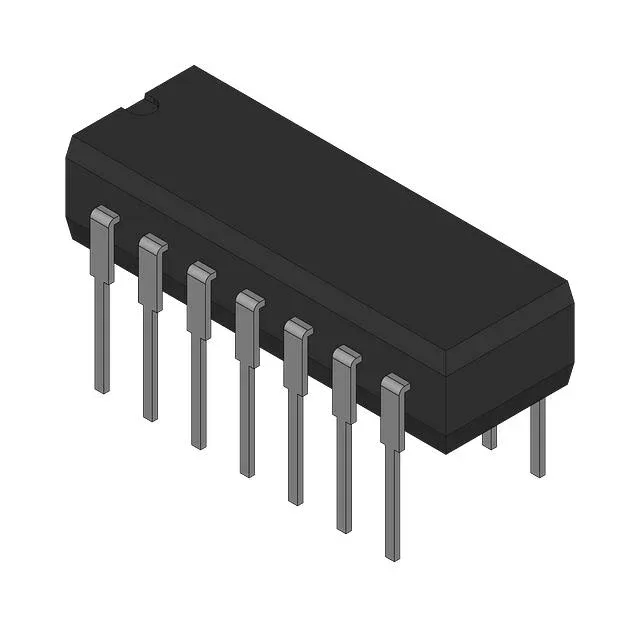
Texas Instruments TLV2623IN — Logic ICs

Texas Instruments TLV2623IN CMOS Dual Op-Amp, 11 MHz

MPNTLV2623IN
End of Life

Texas Instruments TLV2623IN, CMOS dual operational amplifier, 11 MHz gain bandwidth, 6 V/µs slew rate, rail-to-rail output, 2.7 V to 5.5 V supply, 800 µA per channel, -40°C to 125°C, 14-DIP (0.300", 7.62mm) through-hole package.

$0.53Ref. price · indicative, final on quote
Packaging14-DIP (0.300", 7.62mm)
StockContact for availability
MOQ1 pcs
  • 100% new & originalTraceable channels only — no refurbs, no pulls, no remarked parts.
  • Date & lot codes on quoteStated per line before you commit; label photos on request.
  • MSL-compliant ESD packingMoisture-sealed bags with indicator cards; reels photo-verified.
  • PayPal buyer protectionPay by T/T, PayPal or Payoneer — card payments covered end to end.

Specifications

TLV2623IN Technical Specifications
ParameterValue
Output typeRail-to-Rail
Mounting typeThrough Hole
Amplifier typeCMOS
Voltage - input offset250 µV
Voltage - supply span5.5 V
Current - supply800µA (x2 Channels)
Current - input bias2 pA
Current - output (Channel)28 mA
Operating temperature-40°C ~ 125°C
Gain bandwidth product11 MHz
PackageBulk
Slew rate6V/µs
Case14-DIP (0.300\", 7.62mm)
Number of circuits2

Product details

Dual CMOS op-amp with 11 MHz GBW and rail-to-rail output

The TLV2623IN: Each channel draws 800 µA typical supply current, making it suitable for multi-channel signal conditioning in power-sensitive designs.

14-DIP through-hole package — prototyping and production fit

Housed in a 14-DIP (0.300", 7.62mm) package with a 14-PDIP supplier device code, the TLV2623IN is a through-hole part. This package suits breadboard prototyping, low-to-medium volume builds, and applications where rework or manual assembly is preferred. The 28 mA output current per channel provides enough drive for small loads or feedback networks.

Frequently asked questions

Is TLV2623IN rail-to-rail?

Yes, the TLV2623IN has a rail-to-rail output stage, allowing the output to swing close to both supply rails. The input common-mode range is not rail-to-rail, so check the input voltage limits for your application.