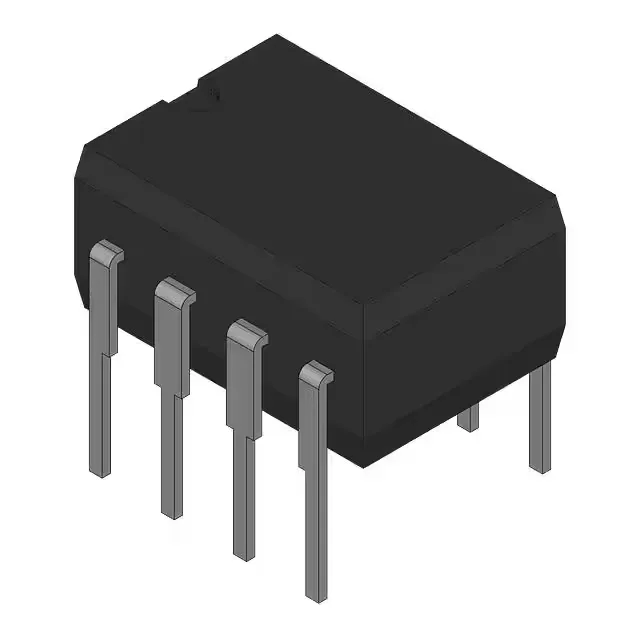
Texas Instruments TLV2442AMJGB — Logic ICs

TLV2442AMJGB Dual CMOS Op-Amp, 1.81 MHz, -55 to 125°C

MPNTLV2442AMJGB
End of Life

Texas Instruments TLV2442AMJGB, Automotive AEC-Q100 LinCMOS™ dual CMOS op-amp, 1.81 MHz GBW, 1.4 V/µs slew rate, rail-to-rail output, 2.7 V to 10 V supply, 750 µA per channel, 60 pA input bias, 300 µV offset, 8-CDIP through-hole, -55 to 125°C.

$38.19Ref. price · indicative, final on quote
Packaging8-CDIP (0.300", 7.62mm)
StockContact for availability
MOQ1 pcs
  • 100% new & originalTraceable channels only — no refurbs, no pulls, no remarked parts.
  • Date & lot codes on quoteStated per line before you commit; label photos on request.
  • MSL-compliant ESD packingMoisture-sealed bags with indicator cards; reels photo-verified.
  • PayPal buyer protectionPay by T/T, PayPal or Payoneer — card payments covered end to end.

Specifications

TLV2442AMJGB Technical Specifications
ParameterValue
SeriesAutomotive, AEC-Q100, LinCMOS™
Output typeRail-to-Rail
Mounting typeThrough Hole
Amplifier typeCMOS
Voltage - input offset300 µV
Voltage - supply span2.7 V
Current - supply750µA (x2 Channels)
Current - input bias60 pA
Current - output (Channel)50 mA
Operating temperature-55°C ~ 125°C
Gain bandwidth product1.81 MHz
PackageBulk
Slew rate1.4V/µs
Case8-CDIP (0.300\", 7.62mm)
Number of circuits2

Product details

Dual CMOS op-amp built for the harsh stuff

The TLV2442AMJGB: That combination — ceramic hermetic seal, through-hole leads, and extended temperature — makes this the op-amp you reach for when the board is going into an avionics black box, a satellite power conditioner, a downhole tool, or a military radio where a plastic SOIC won't survive the environment or the reliability screen.

1.81 MHz GBW and 1.4 V/µs — enough for sensor conditioning, not for video

It's sized for filtering, buffering, and amplifying signals from thermocouples, RTDs, strain gauges, and pressure sensors — the kind of low-frequency analog front-end work that dominates industrial and aerospace instrumentation. The 60 pA input bias current (typical) means you can use high-value feedback resistors without loading the source, which matters when your sensor has a high output impedance.

Rail-to-rail output, 2.7 V to 10 V supply — flexible power tree

Supply voltage span runs from 2.7 V minimum to 10 V maximum. Each of the two channels draws 750 µA typical supply current.

300 µV input offset — no trim pot needed for most gains

The 300 µV maximum input offset voltage (at 25°C) is respectable for a CMOS op-amp of this generation. For gains up to about 100, the offset referred to the output stays under 30 mV, which is acceptable for many sensor interfaces without an external nulling circuit. If you need better than 100 µV, you'd step up to a precision zero-drift amplifier, but that comes with a different package and price point. The 50 mA output current per channel gives enough drive for a reference input or a small relay coil with a current-limiting resistor.

Active lifecycle, but this is a specialty part

The 8-CDIP ceramic package and military temperature grade make it a specialty part, typically sourced for high-reliability programs, defense contracts, and aerospace BOMs where the procurement team has already qualified the ceramic footprint. The AEC-Q100 qualification on this ceramic part means it has passed the same reliability stress tests as automotive-grade plastic parts.

Frequently asked questions

Can TLV2442AMJGB operate at -55°C?

Yes. This is the military temperature grade, suitable for avionics, satellite, and downhole applications where the board must function at extreme cold.

What is the equivalent replacement for TLV2442AMJGB?

The TLV2442AID (SOIC-8) or TLV2442AIP (PDIP-8) are the same amplifier in plastic packages but with a narrower temperature range. For a functional equivalent in a different footprint, the TLV9351IDCKR (single) or TLV9362IDDFR (dual) offer higher bandwidth but are surface-mount only.