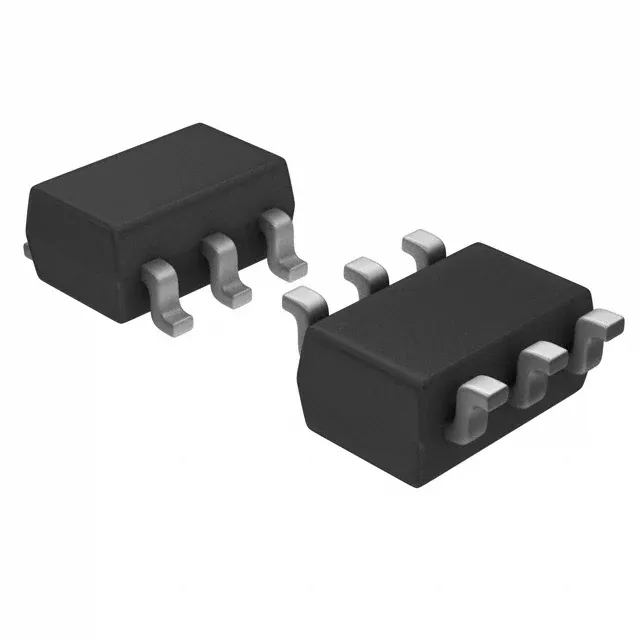
Texas Instruments TLV1805DBVR — Analog & Data Acquisition

TLV1805DBVR comparator, 3.3-40V, SOT-23-6, active

MPNTLV1805DBVR
End of Life

Texas Instruments TLV1805DBVR general-purpose comparator, single element, push-pull output, 3.3V to 40V supply, 500ns propagation delay, SOT-23-6 package, tape and reel.

$0.97Ref. price · indicative, final on quote
PackagingSOT-23-6
StockContact for availability
Lead timeIn Stock wk
MOQ1 pcs
  • 100% new & originalTraceable channels only — no refurbs, no pulls, no remarked parts.
  • Date & lot codes on quoteStated per line before you commit; label photos on request.
  • MSL-compliant ESD packingMoisture-sealed bags with indicator cards; reels photo-verified.
  • PayPal buyer protectionPay by T/T, PayPal or Payoneer — card payments covered end to end.

Specifications

TLV1805DBVR Technical Specifications
ParameterValue
TypeGeneral Purpose
Output typePush-Pull
Mounting typeSurface Mount
Voltage - input offset4.5mV @ 40V
Voltage - supply, single (Dual (±))3.3V ~ 40V
Current - quiescent200µA
Current - input bias0.05pA (Typ)
Operating temperature-40°C ~ 125°C
PackageTape & Reel (TR); Cut Tape (CT)
Hysteresis14mV
CaseSOT-23-6
CMRR, PSRR80dB CMRR, 95dB PSRR
Number of elements1
Propagation delay500ns (Typ)

Product details

500ns propagation, 200µA quiescent — speed vs power trade-off

The TLV1805DBVR: 500ns typical propagation delay is fast enough to catch overcurrent events within a single PWM cycle at typical motor-drive switching frequencies (4-16 kHz), but not intended for high-speed data comparators where sub-100ns parts are needed.

80dB CMRR, 95dB PSRR — noise rejection in electrically noisy environments

80dB common-mode rejection ratio and 95dB power-supply rejection ratio mean the comparator maintains its threshold accuracy even when the input signal rides on a noisy ground or the supply rail sags under load — relevant for motor-drive and solenoid-valve panels where 24V buses carry switching transients. The 14mV internal hysteresis prevents output chatter when the input signal crosses the threshold slowly, eliminating the need for external positive-feedback resistors in most applications.