What a virtual ground reference does differently
The TLE2425ILP is a ground-reference (virtual ground) IC, not a standard shunt or series voltage reference. It creates a stable 2.5 V mid-rail from a single supply between 4 V and 40 V, letting you power split-supply analog circuits (op-amps, ADCs, signal chains) from a single battery or rail without a second regulator. Output tolerance is ±0.8%, and the temperature coefficient is 20 ppm/°C typical — tight enough for 12-bit sensor conditioning without external trimming.
Noise and drift matter for the analog front-end
Output noise is 100 µVrms over the 10 Hz to 10 kHz band. For a 12-bit ADC with a 2.5 V reference, that noise adds about 0.3 LSB of uncertainty — acceptable for most industrial sensor interfaces but worth derating for 16-bit designs. The virtual ground stays within ±0.8% across the full band, so a PLC analog input module or a motor-drive current-sense circuit does not drift with the morning warm-up.
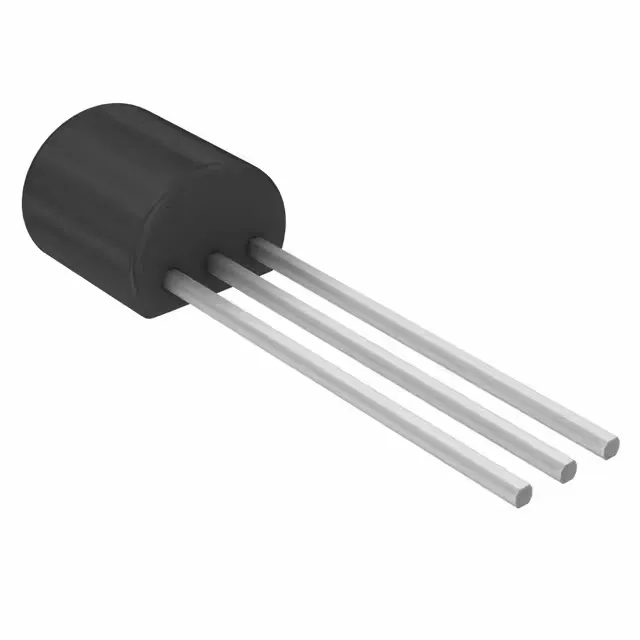
Through-hole TO-92 — breadboard and rework friendly
It fits standard 0.1-inch breadboards and perfboards, and hand-solders in seconds — ideal for prototypes, lab instruments, and low-volume production where a SOIC-8 would add board cost. Output current is limited to 20 mA. That is enough to bias a handful of op-amp rails or a single low-power ADC, but not a multi-channel data-acquisition system — plan a buffer stage if the load exceeds 20 mA.