Texas Instruments TLC551CP — Clock & Timing ICs

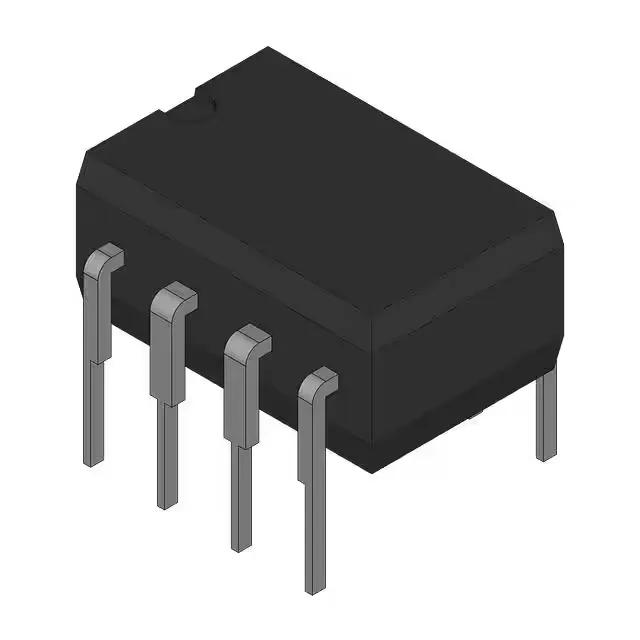
TLC551CP 555-Type Timer/Oscillator, 1.8MHz, 8-DIP

MPNTLC551CP
End of Life

Texas Instruments TLC551CP, 555 Type, Timer/Oscillator (Single), 1.8MHz, 1V ~ 15V supply, 360µA supply current, 0°C ~ 70°C, 8-DIP (0.300", 7.62mm) through-hole package.

$2.7Ref. price · indicative, final on quote
Packaging8-DIP (0.300", 7.62mm)
RoHSROHS3 Compliant
Independent supplier — new & surplus stockAuthenticity-screened · ESD-safe packingListing updated Aug 2026

Specifications

TLC551CP specifications
ParameterValue
Type555 Type, Timer/Oscillator (Single)
MountingThrough Hole
Supply voltage1V ~ 15V
Current - supply360 µA
Frequency1.8MHz
Operating temperature0°C ~ 70°C
PackageTube
Case8-DIP (0.300\", 7.62mm)

Product details

The 8-DIP (0.300-inch row spacing) is a through-hole package that takes well to hand-soldering and rework. The 7.62 mm body width fits standard 0.3-inch DIP sockets and perfboard. If you need to swap it on a prototype board, a desoldering iron or hot-air preheat from the bottom side lifts the part clean without lifting pads. No thermal pad underneath, so no hidden solder joint to worry about.

Supply voltage and current — what the numbers mean

The 1V to 15V supply range covers everything from a single alkaline cell to a 12V rail. The 360 µA quiescent current is roughly one-tenth what a bipolar 555 pulls at the same voltage, so battery-powered designs get real runtime benefit. That low supply current also means less self-heating in the DIP — the part stays cool even in a cramped enclosure.

No LTB risk for ongoing builds.

Frequently asked questions

What is the difference between TLC551CP and NE555?

The TLC551CP is a CMOS 555-type timer with a 1.8 MHz maximum frequency and 360 µA supply current, versus the bipolar NE555 which typically tops out around 100 kHz and draws several mA. The TLC551CP also operates down to 1V, while the NE555 needs at least 4.5V. Both are 8-pin DIP and pin-compatible for most circuits, but the TLC551CP's lower power and wider voltage range suit battery-powered and higher-frequency designs.