2.53V threshold supervisor — what the reset polarity means for your BOM
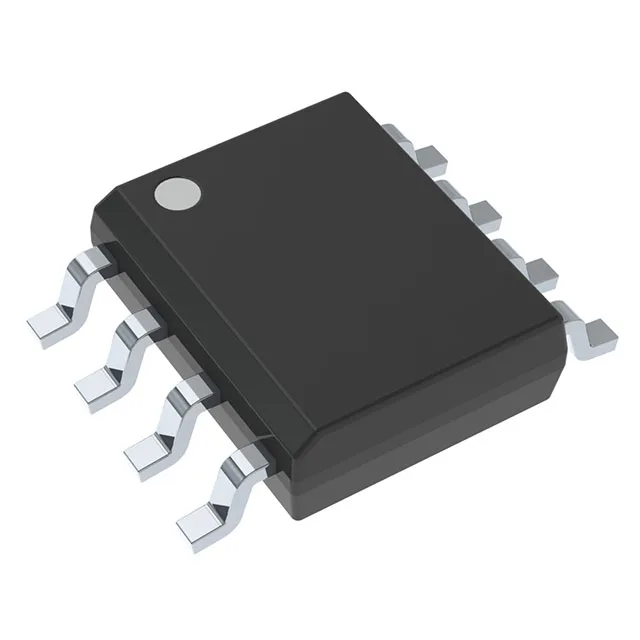
The TL7702BID: Its reset output can be configured as either active-high or active-low — that dual-polarity flexibility lets it interface directly with both active-low reset microcontrollers and active-high enable inputs on power sequencers without an external inverter. The open-drain output means the reset pin is a pull-down only; you supply the pull-up resistor to your logic rail. This lets the reset signal swing to whatever voltage the downstream device needs — 1.8V, 3.3V, or 5V — without a level shifter.
270 ns propagation delay — timing margin for fast-core processors
With a typical propagation delay of 270 ns, the TL7702BID responds to a supply dip within a quarter-microsecond. For a 200 MHz ARM core running at 3.3V, that delay represents about 54 clock cycles — enough headroom to latch the reset before the core logic enters an undefined state, but short enough that a brief brown-out on a heavily switched regulator won't cause a false trip. The single-voltage monitoring means this part watches one rail. If your system has multiple supplies (core, I/O, analog), you'll need one TL7702BID per rail or a multi-channel supervisor. The 8-SOIC package takes about 30 mm² of board area per channel.