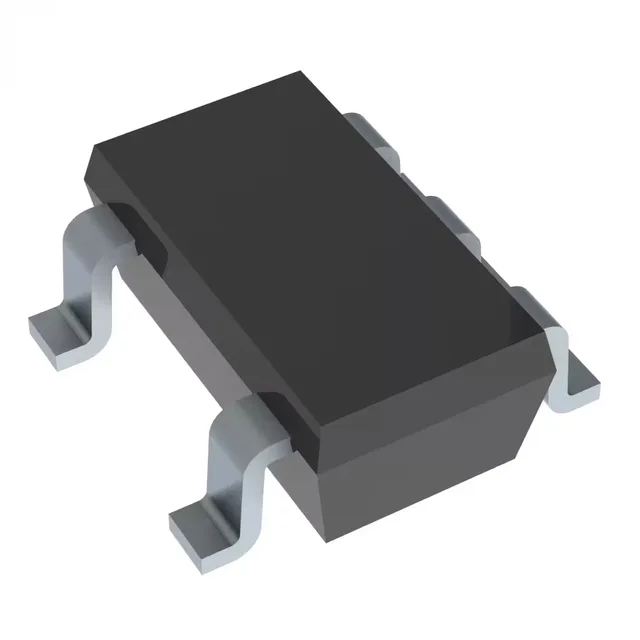
It provides a programmable output voltage from a minimum of 2.495V up to 36V, set by two external resistors. The part sinks up to 100 mA of cathode current, making it suitable for series-pass regulator feedback loops, error amplifiers, and precision current-limiting circuits in power supplies and battery chargers.
Texas Instruments no longer manufactures this specific ordering code in production volumes. Every unit we supply is traceable and inspected — we verify date-code consistency, marking legibility, and package integrity before it ships.
Key ratings that determine fit
The adjustable output spans 2.495V to 36V — the lower bound is the internal reference voltage, and the upper bound is set by the cathode-to-anode breakdown. The ±2.2% tolerance on the reference voltage is a standard precision grade: adequate for general-purpose regulation in switch-mode power supply feedback loops, but not tight enough for high-accuracy instrumentation references where ±0.5% or better is typical. If your design draws less than 1 mA through the cathode, the reference may not regulate cleanly — a common oversight when the shunt is biased through a high-value resistor.
The SOT-23-5 footprint is a widely used industry standard for five-pin small-signal devices. The mounting type is surface mount, and the shipping medium is Tape & Reel (TR). The SOT-23-5 package is pin-compatible with many other adjustable shunt references in this footprint class, which matters if you are evaluating a second-source drop-in for a board already laid out for this code.