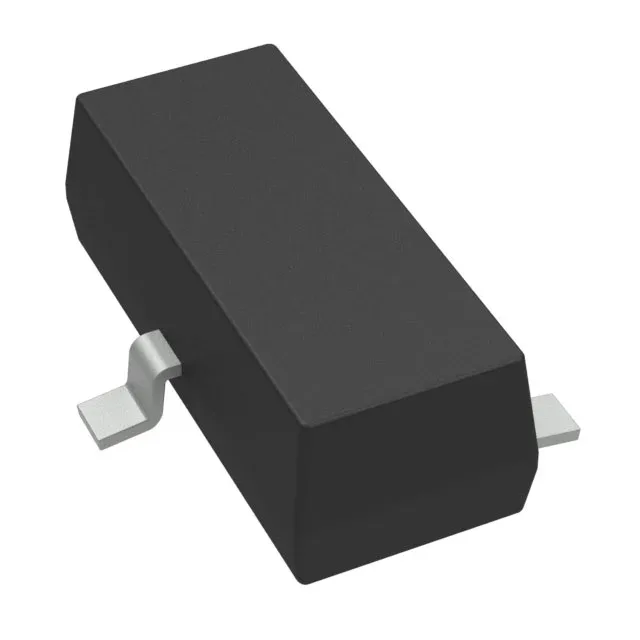
Texas Instruments TL431QDBZR — Analog & Data Acquisition

TL431QDBZR Shunt Voltage Reference, 2.495V–36V, SOT-23-3

MPNTL431QDBZR
End of Life

Texas Instruments TL431QDBZR adjustable shunt voltage reference, ±2.2% tolerance, 2.495V min / 36V max output, 100 mA output, SOT-23-3 surface mount, -40°C to 125°C.

$0.4100Ref. price · indicative, final on quote
Independent supplier — new & surplus stockAuthenticity-screened · ESD-safe packingListing updated Jul 2026

Specifications

TL431QDBZR specifications
ParameterValue
Output typeAdjustable
MountingSurface Mount
Reference typeShunt
Voltage - output36 V
Voltage - output (Min (Fixed))2.495V
Output current100 mA
Current - cathode1 mA
Operating temperature-40°C ~ 125°C (TA)
PackageTape & Reel (TR) Cut Tape (CT)
Tolerance±2.2%
ManufacturerTexas Instruments
CaseTO-236-3, SC-59, SOT-23-3

Product details

2.495V to 36V adjustable shunt — the BOM-fit anchor

It sets a fixed 2.495V minimum output and can be programmed up to 36V with two external resistors. The ±2.2% tolerance on the reference voltage is tighter than the standard ±2% grade, which matters when the reference feeds an ADC or sets the regulation point in a flyback supply.

The shunt can sink up to 100 mA continuous, with a minimum cathode current of 1 mA to maintain regulation. That 100 mA ceiling covers most bias and reference loads in industrial and automotive circuits — think power-supply feedback dividers, current-loop references, or comparator thresholds.

For a storeroom keeper, that means the reel can be ordered on a normal replenishment cycle without hoarding a lifetime buy.

Frequently asked questions

What is the closest pin-compatible equivalent to TL431QDBZR?

The TL431 family spans multiple tolerance grades and temperature ranges. The TL431QDBZR is the ±2.2% tolerance, -40°C to 125°C variant in SOT-23-3. All share the same three-pin SOT-23-3 footprint and reference architecture.

Can TL431QDBZR be used as a comparator?

Yes, the TL431 can function as a voltage comparator by connecting the reference pin to the threshold and the cathode to an open-collector pull-up. When the reference pin voltage exceeds 2.495V, the cathode sinks current. This is a common trick for over-voltage detection or window comparators, though the response time is slower than a dedicated comparator — typically a few microseconds.