What this shunt reference does — and why the ±2.2% matters
Its ±2.2% tolerance is tighter than the generic 1% or 0.5% grades you see on some siblings — good enough to set a 5 V rail to within 110 mV without a trim pot, which saves a BOM line and a calibration step on the line. The part sinks up to 100 mA through the cathode with a minimum operating current of 1 mA. That 1 mA floor is the catch: below it the reference drops out of regulation, so the bias resistor from the supply rail must be sized to keep at least 1 mA flowing even at no load. In a typical 12 V to 5 V shunt regulator, that means a 7.5 kΩ resistor — easy to forget when you are breadboarding from a bench supply that already holds the output up.
SOT-23-5 — can I swap it on site?
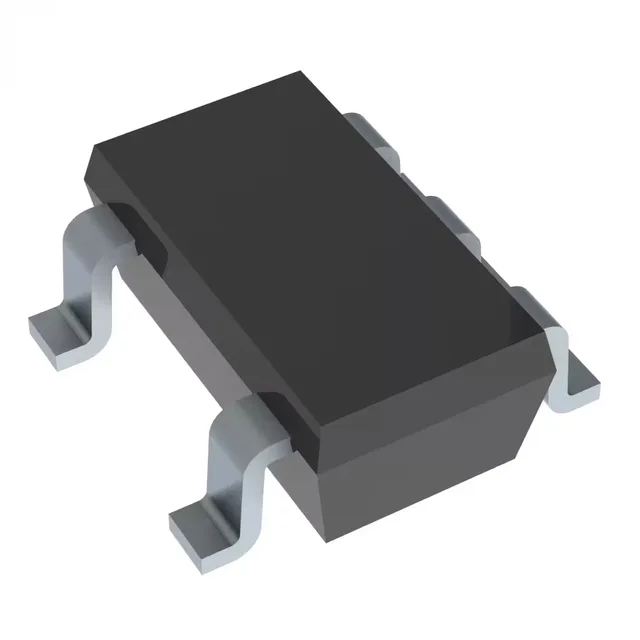
The package is SOT-23-5, also listed as SC-74A / SOT-753. Five pins, 0.95 mm pitch, the body is about 2.9 mm × 1.6 mm. That is small enough to fit in a cramped PSU board but big enough to hand-solder with a fine tip and magnification — no hot-air station required. If you are swapping this in the field, a decent pair of tweezers and a temperature-controlled iron at 350 °C will get it done. No ESD bench? Ground yourself to the chassis before touching the pins — the input impedance on the ref pin is high enough that a static discharge can shift the internal bandgap.
TI lists the TL431IDBVTE4 as Obsolete. That means no more factory orders, no last-time-buy window — the part is out of production. If you have it on a current BOM, you need a replacement or a surplus-channel source. The good news: the TL431 function is so common that pin-compatible alternatives exist from multiple manufacturers in the same SOT-23-5 footprint. The bad news: the ±2.2% tolerance grade is less common than the standard 1% or 0.5% variants, so verify the replacement's tolerance matches your circuit's accuracy budget.
Sourcing reality — quoted to order
Because the part is obsolete, it is not sitting on a distributor shelf in volume. We source it through independent distribution channels — broker stock, surplus lots, and verified inventory from our network. No stock-holding claim; every order is a procurement event. If you need a production-quantity alternative, we can also help qualify a drop-in replacement.