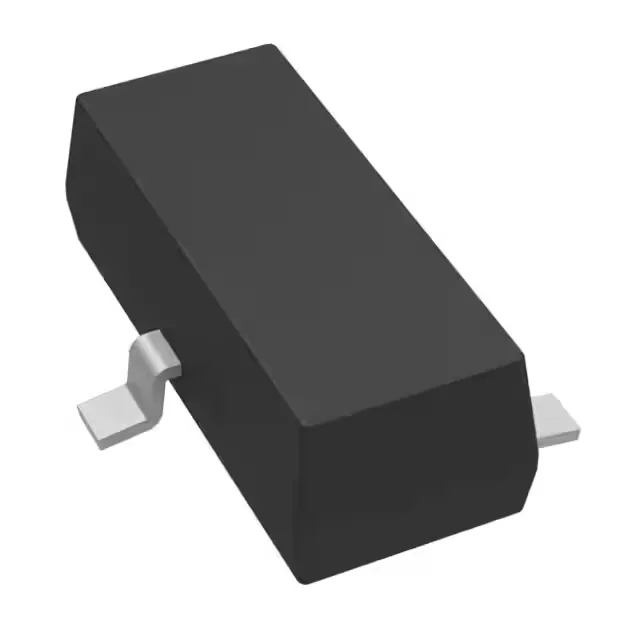
Texas Instruments TL431BIDBZRG4 — Analog & Data Acquisition

TL431BIDBZRG4 Shunt Regulator, ±0.5% Tolerance, Active

MPNTL431BIDBZRG4
End of Life

Texas Instruments TL431BIDBZRG4, adjustable shunt regulator, ±0.5% tolerance, 100 mA output, 2.495 V reference, SOT-23-3, -40 to 85°C.

$0.4400Ref. price · indicative, final on quote
Independent supplier — new & surplus stockAuthenticity-screened · ESD-safe packingListing updated Jul 2026

Specifications

TL431BIDBZRG4 specifications
ParameterValue
Output typeAdjustable
MountingSurface Mount
Reference typeShunt
Voltage - output36 V
Voltage - output (Min (Fixed))2.495V
Output current100 mA
Current - cathode700 µA
Operating temperature-40°C~85°C(TA)
PackageTape & Reel (TR); Cut Tape (CT)
Tolerance±0.5%
CaseTO-236-3, SC-59, SOT-23-3

Product details

Active shunt regulator with ±0.5% tolerance

The Texas Instruments TL431BIDBZRG4 is an adjustable shunt regulator in a SOT-23-3 package, offering a ±0.5% tolerance on the 2.495 V internal reference. It sinks up to 100 mA and can regulate output voltages up to 36 V via an external resistor divider.

The ±0.5% tolerance is tighter than the standard TL431's 1% or 2% grades, which matters when the feedback divider sets a tight regulation window in a switching power supply or a precision comparator threshold. The adjustable output spans from 2.495 V up to 36 V, so the same part covers multiple rail voltages — one line item for 3.3 V, 5 V, 12 V or 24 V loops. The 100 mA output current rating is the maximum cathode current the device can sink while maintaining regulation. In a typical shunt regulator configuration, the cathode current through the optocoupler LED or the bias resistor must stay below this ceiling, with headroom for temperature drift.

There is no LTB risk on the horizon.

Frequently asked questions

Is TL431BIDBZRG4 a direct replacement for a standard TL431?

Yes, the TL431BIDBZRG4 is a pin-compatible, functional drop-in for any standard TL431 in a SOT-23-3 package. The key difference is the tighter ±0.5% reference tolerance versus the standard 1% or 2% grades, which improves output accuracy without changing the PCB layout or external component values.