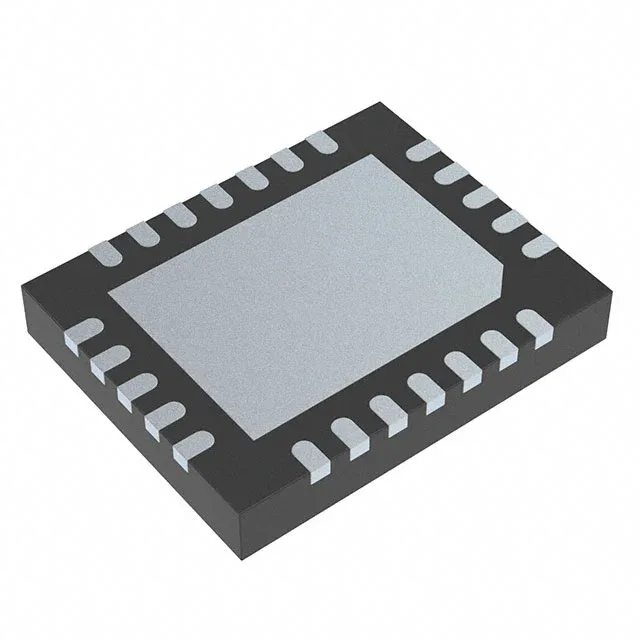
Texas Instruments THS6222IRHFT — Logic ICs

THS6222IRHFT Differential Line Driver, Active, 24-VQFN

MPNTHS6222IRHFT
End of Life

Texas Instruments THS6222IRHFT, Differential Line Driver, 24-VFQFN Exposed Pad, Surface Mount, for Data Concentrators, Differential DSL Line Drivers, Home Networking PLC.

$2.55Ref. price · indicative, final on quote
Packaging24-VFQFN Exposed Pad
RoHSROHS3 Compliant
Independent supplier — new & surplus stockAuthenticity-screened · ESD-safe packingListing updated Aug 2026

Specifications

THS6222IRHFT specifications
ParameterValue
TypeDifferential
MountingSurface Mount
PackageTape & Reel (TR); Cut Tape (CT)
ApplicationsData Concentrators, Differential DSL Line Drivers, Home Networking PLC
Case24-VFQFN Exposed Pad

Product details

Differential line driver for twisted-pair and PLC interfaces

The Texas Instruments THS6222IRHFT is a differential line driver designed for applications that require driving signals over twisted-pair or power-line media — data concentrators, differential DSL line drivers, and home networking power-line communications (PLC) are the listed targets. The differential output architecture gives it common-mode rejection that a single-ended driver cannot match, which matters when the cable picks up noise from adjacent power rails or motor drives.

ROHS3 compliance is confirmed, so it passes the usual lead-free assembly reflow without an exemption review.

Package and thermal design note

The 24-VQFN (5x4 mm) with exposed pad is a surface-mount package that relies on the PCB copper for heat spreading. Without that thermal connection, the driver's output current capability derates significantly — the package itself is rated for the dissipation, but only if the board pulls the heat away.

Frequently asked questions

What is the THS6222IRHFT used for?

The THS6222IRHFT is a differential line driver intended for data concentrators, differential DSL line drivers, and home networking power-line communications (PLC). Its differential output suits it for driving twisted-pair or power-line media where common-mode noise rejection is needed.