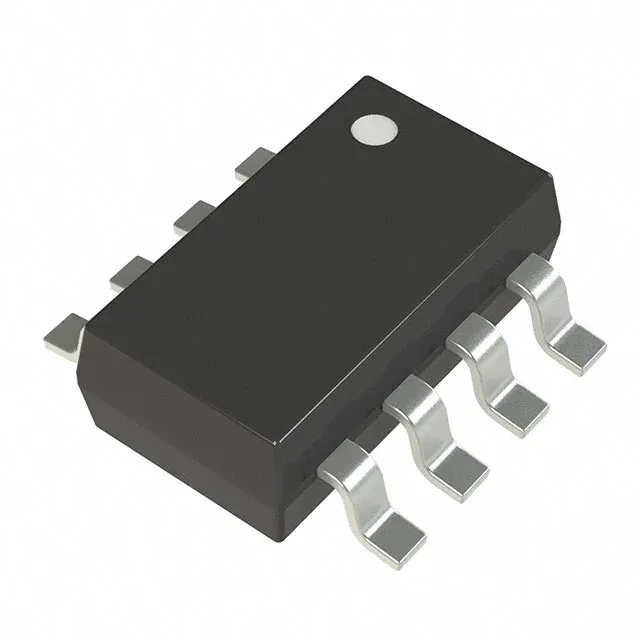
Texas Instruments TCAN337GDCNT — Logic ICs

TCAN337GDCNT CAN Transceiver, 5 Mbps, SOT-23-8

MPNTCAN337GDCNT
Active

Texas Instruments TCAN337GDCNT CANbus transceiver, 1/1 driver/receiver, 5 Mbps data rate, 3V~3.6V supply, 120 mV receiver hysteresis, SOT-23-8 package, -40°C~125°C operating temperature.

$3.4500Ref. price · indicative, final on quote
Independent supplier — new & surplus stockAuthenticity-screened · ESD-safe packingListing updated Jul 2026

Specifications

TCAN337GDCNT specifications
ParameterValue
TypeTransceiver
MountingSurface Mount
Supply voltage3V ~ 3.6V
ProtocolCANbus
Operating temperature-40°C~125°C
PackageTape & Reel (TR); Cut Tape (CT)
Data rate5Mbps
CaseSOT-23-8
Receiver hysteresis120 mV
Number of drivers (Receivers)1/1

Product details

3.3V supply and 5V logic compatibility — the practical answer

It is not a 5V-tolerant CAN transceiver; the bus pins are CANH and CANL, which are differential and tolerate common-mode voltages per the CAN standard, but the VCC pin and logic interface (TXD, RXD) expect 3.3V levels. If your microcontroller runs on 5V I/O, you need level translation or a different transceiver rated for 5V supply. The 120 mV hysteresis helps with signal integrity on noisy buses, but it doesn't change the supply requirement.

SOT-23-8 package — board area and layout notes

Housed in a SOT-23-8 package (Supplier Device Package: SOT-23-8), this transceiver occupies minimal PCB real estate — roughly 2.9 mm x 2.8 mm footprint. Surface-mount only, no exposed pad. The small package means the decoupling capacitor needs to sit close; a 100 nF ceramic within 2 mm of the VCC pin is the usual practice. No thermal vias required at the current draw of a CAN transceiver, but keep the CANH/CANL traces short to the connector and avoid stubs.

The base product number is TCAN337, covering the family; this specific suffix (GDCNT) denotes the SOT-23-8 package and tape-and-reel / cut-tape delivery.

Frequently asked questions

Is TCAN337GDCNT compatible with 5V CAN bus?

Yes, the CAN bus itself is differential and the transceiver handles common-mode voltages per the CAN standard, so it connects to a standard 5V CAN bus without issue. The 3.3V supply is for the transceiver's own VCC and logic interface (TXD, RXD). If your CAN controller runs on 5V I/O, you need level translation between the controller and the transceiver's logic pins.