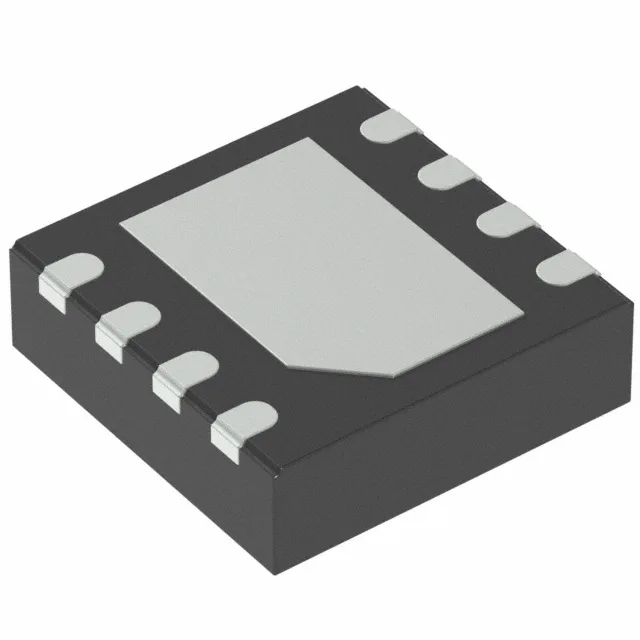
Texas Instruments TCAN1051GVDRBRQ1 — Interface & Transceivers

TCAN1051GVDRBRQ1 CAN Transceiver, 5 Mbps, AEC-Q100, VSON-8

MPNTCAN1051GVDRBRQ1
Active

Texas Instruments TCAN1051GVDRBRQ1, Automotive AEC-Q100 CAN FD Transceiver, Half-Duplex, 5 Mbps, 4.5-5.5V Supply, 8-VSON (3x3) Wettable Flank, -55 to 125°C.

$1.9600Ref. price · indicative, final on quote
Independent supplier — new & surplus stockAuthenticity-screened · ESD-safe packingListing updated Aug 2026

Specifications

TCAN1051GVDRBRQ1 specifications
ParameterValue
TypeTransceiver
SeriesAutomotive, AEC-Q100
MountingSurface Mount, Wettable Flank
Supply voltage4.5V ~ 5.5V
ProtocolCANbus
Operating temperature-55°C~125°C
DuplexHalf
PackageTape & Reel (TR); Cut Tape (CT)
Data rate5Mbps
Case8-VDFN Exposed Pad
Receiver hysteresis120 mV
Number of drivers (Receivers)1/1

Product details

The TCAN1051GVDRBRQ1 is a half-duplex CAN transceiver from TI, rated for 5 Mbps data rate — that puts it in CAN FD territory, not just classic 2.0 at 1 Mbps. It handles the faster payload phase of CAN FD frames without bit errors, so the bus can carry larger data blocks per arbitration cycle. The 120 mV receiver hysteresis provides enough noise margin for the differential bus in an automotive or industrial environment where common-mode transients are the norm.

AEC-Q100 and 125°C — deployment envelope

The 8-VSON (3x3) package with wettable flank means automated optical inspection (AOI) can verify the solder joints — a requirement for Tier-1 automotive production lines.

Frequently asked questions

What is the closest pin-compatible alternative to TCAN1051GVDRBRQ1?

Within the TCAN1051 family, the base part number shares the same pinout across variants. The key difference is the GVDRBRQ1 suffix specifies the wettable-flank VSON-8 package and the 5 Mbps CAN FD capability. A non-wettable-flank variant in the same family would be the TCAN1051DRBRQ1, but the package footprint differs for AOI inspection.

What supply voltage does TCAN1051GVDRBRQ1 require?

The receiver hysteresis is 120 mV, providing noise rejection on the differential CAN bus.