What this CAN transceiver brings to the bus
The part is AEC-Q100 qualified, so it's been through the full automotive stress qualification — useful for under-hood or chassis-domain nodes where temperature swings and vibration are the norm.
The supply range of 4.5V to 5.5V is standard for CAN physical layers, but note that the logic interface is 5V-tolerant — if you're pairing it with a 3.3V microcontroller, you'll need to check the VIO pin (if present on the variant) or add level translation. The 50 mV receiver hysteresis helps reject bus noise in electrically noisy environments like motor drives or engine bays.
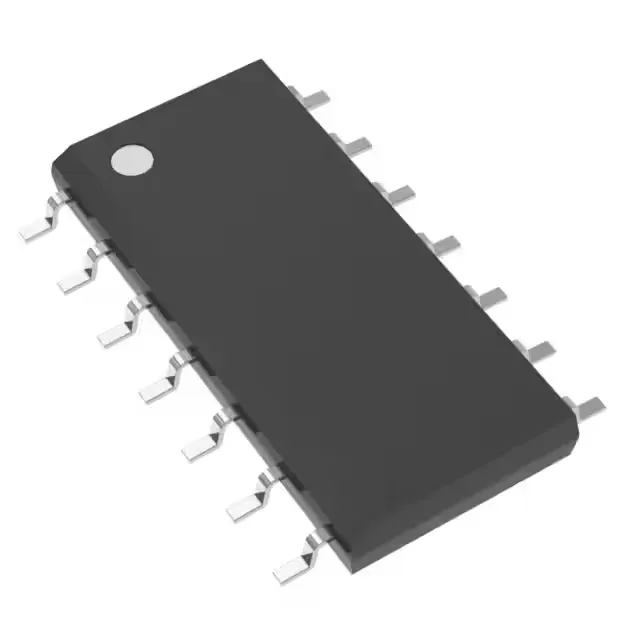
The narrow SOIC footprint is common for CAN transceivers, so board layout reuse across variants is straightforward.