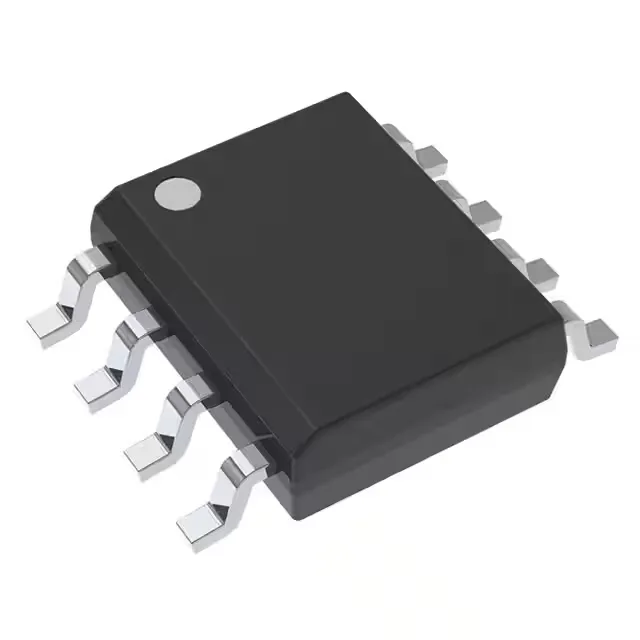
Texas Instruments TCAN1042GVDRQ1 — Interface & Transceivers

TCAN1042GVDRQ1 CAN FD Transceiver, 5 Mbps, AEC-Q100, 8-SOIC

MPNTCAN1042GVDRQ1
Active

Texas Instruments TCAN1042GVDRQ1, Automotive AEC-Q100 CAN FD Transceiver, 1/1 Driver/Receiver, 5 Mbps, 4.5V-5.5V Supply, -55°C to 125°C, 8-SOIC Package.

$1.9600Ref. price · indicative, final on quote
Independent supplier — new & surplus stockAuthenticity-screened · ESD-safe packingListing updated Aug 2026

Specifications

TCAN1042GVDRQ1 specifications
ParameterValue
TypeTransceiver
SeriesAutomotive, AEC-Q100
MountingSurface Mount
Supply voltage4.5V ~ 5.5V
ProtocolCANbus
Operating temperature-55°C~125°C
PackageTape & Reel (TR); Cut Tape (CT)
Data rate5Mbps
Case8-SOIC (0.154\", 3.90mm Width)
Number of drivers (Receivers)1/1

Product details

CAN FD transceiver built for the 5V automotive bus

The TCAN1042GVDRQ1: It supports data rates up to 5 Mbps, which covers both classical CAN (up to 1 Mbps) and CAN FD (flexible data-rate) frames where the payload phase runs faster than the arbitration phase.

5 Mbps data rate — why it matters for CAN FD designs

The 5 Mbps data rate covers both classical CAN (up to 1 Mbps) and CAN FD frames. The 1/1 driver/receiver count means one CAN node per package.

Supply voltage and cold-crank margin

The supply range of 4.5V to 5.5V is the standard 5V CAN bus rail, with the 4.5V low end providing headroom during automotive cold-crank events where the battery voltage can sag below 5V. This avoids bus-off or brownout resets that a 4.75V minimum part might suffer in the same scenario.

AEC-Q100 and temperature grade — deployment context

The 125°C ceiling covers exhaust-adjacent mounting and high-ambient powertrain compartments, while the -55°C floor handles cold-soak in northern-climate vehicles.

Lifecycle status — active, no LTB risk

The base product number TCAN1042 is a current TI family with broad distribution support.

Frequently asked questions

Is TCAN1042GVDRQ1 equivalent to TCAN1042VDRQ1?

Both parts share the same base product number TCAN1042 and the same 8-SOIC package. The 'GV' vs 'V' suffix typically indicates a variant difference — often the 'G' denotes a specific qualification flow or test condition. The evidence does not confirm pin-compatibility or functional equivalence. Check the TI datasheet cross-reference table for the exact difference between the two suffix codes before substituting.