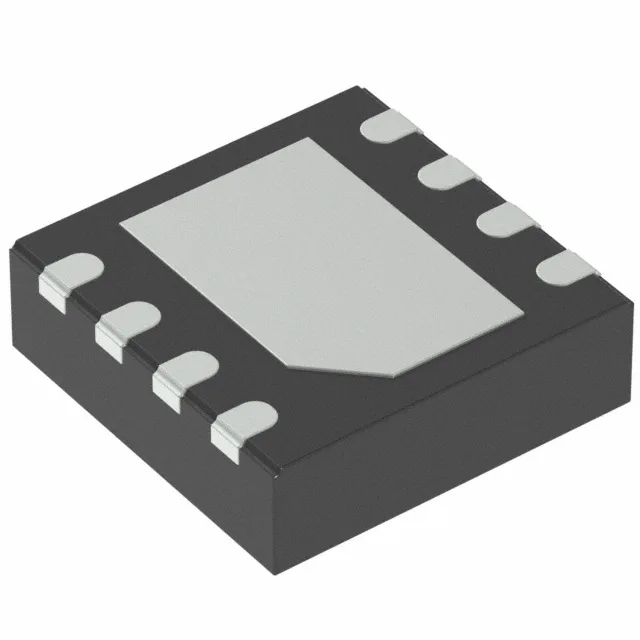
Texas Instruments TCAN1042GDRBTQ1 — Interface & Transceivers

TCAN1042GDRBTQ1 CAN Transceiver, 5 Mbps, AEC-Q100, 8-VSON

MPNTCAN1042GDRBTQ1
Active

Texas Instruments TCAN1042GDRBTQ1, Automotive AEC-Q100 CAN FD Transceiver, 5 Mbps data rate, 4.5V–5.5V supply, 1/1 driver/receiver, 8-VSON (3x3) wettable-flank package, -55°C to 125°C.

$1.3412Ref. price · indicative, final on quote
Independent supplier — new & surplus stockAuthenticity-screened · ESD-safe packingListing updated Aug 2026

Specifications

TCAN1042GDRBTQ1 specifications
ParameterValue
TypeTransceiver
SeriesAutomotive, AEC-Q100
MountingSurface Mount, Wettable Flank
Supply voltage4.5V ~ 5.5V
ProtocolCANbus
Operating temperature-55°C~125°C
PackageTape & Reel (TR); Cut Tape (CT)
Data rate5Mbps
Case8-VDFN Exposed Pad
Number of drivers (Receivers)1/1

Product details

CAN FD transceiver for 5 Mbps bus – what the ratings mean

If you are interfacing a 3.3V MCU, the TCAN1042's logic input thresholds are 5V-tolerant, but the VIO pin (on related family variants) is not present here; a level translator or voltage divider on the TXD/RXD lines may be needed depending on the MCU's 3.3V I/O tolerance. The 5 Mbps rate is the key differentiator from older 1 Mbps CAN parts — it supports CAN FD without bit-rate limiting, but the bus itself (cable length, stub length, termination) must be designed for the higher edge rate.

Wettable-flank VSON – inspection and rework note

The 8-VSON (3x3) package with wettable flank is a small-footprint DFN-style package designed for automated optical inspection (AOI) of the solder joint after reflow. The wettable flank adds a small solder fillet on the side of the package that AOI can see, which is important for automotive quality requirements where hidden solder joints under the package are not acceptable.

Frequently asked questions

Does TCAN1042GDRBTQ1 work with 3.3V microcontrollers?

For a 3.3V MCU, the TXD and RXD pins may need level translation or a voltage divider if the MCU's I/O pins are not 5V-tolerant. Check the MCU datasheet for 5V tolerance before direct connection.