CAN FD transceiver for automotive and industrial bus nodes
The 5 Mbps data rate is the key differentiator over classic CAN (typically 1 Mbps). This transceiver handles the faster bit timing required for CAN FD frames, which pack more payload per arbitration cycle. If your design uses a CAN FD controller (like the TCAN4550 or an MCU with integrated CAN FD), this transceiver matches the physical-layer speed without signal degradation. At 5 Mbps the bus length shortens—keep stub lengths under 0.3 m and terminate properly to avoid reflections that eat into the bit sampling window.
AEC-Q100 and the temperature range
For a BOM going into a transmission ECU or engine bay module, that qualification eliminates the need for additional reliability screening at the board level. The wide temperature range also covers cold-crank at -40°C and hot-soak at 105°C ambient with margin.
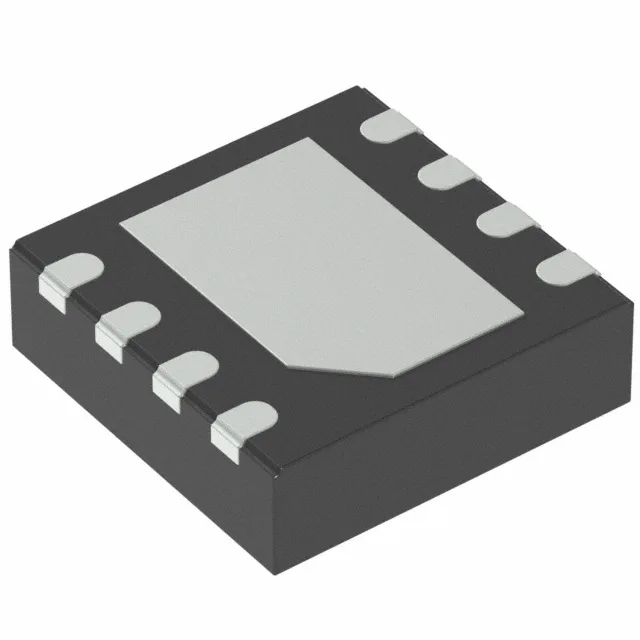
The wettable flank option (the 'W' in the package code) allows AOI to verify solder fillet formation on the side of the package, which is a requirement for some automotive assembly lines. The footprint is the standard 8-pin VSON with a 3x3 mm body; the pad dimensions are in the datasheet land pattern. No special keep-out zones beyond typical SMD clearance.
The base product number TCAN1042 covers multiple package and temperature variants, so a second-source or alternate pin-compatible device within the family (e.g., the TCAN1042GVDRBRQ1) exists if you need a different supply channel—verify the exact order code for your BOM.