CAN FD at 5 Mbps — why the data rate matters
The TCAN1042DRBRQ1 is a Texas Instruments CAN FD transceiver supporting a 5 Mbps data rate, which is the key spec that separates it from legacy CAN 2.0 parts limited to 1 Mbps. If your design needs to push diagnostic data or firmware-over-CAN at the faster CAN FD payload phase, this part handles it without dropping frames. The 1/1 driver/receiver count covers a single CAN node — one bus line in, one bus line out, no redundant channels.
If your BOM calls for AEC-Q100 on the CAN bus interface, this part checks that box without a waiver.
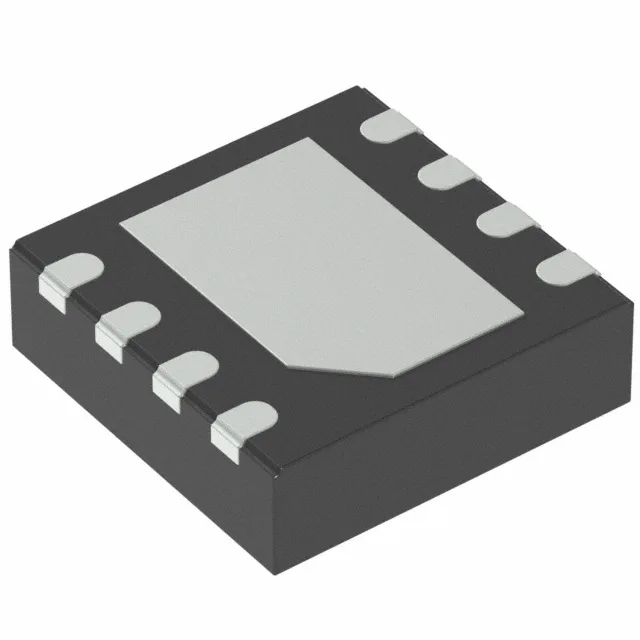
The wettable flank feature allows automated optical inspection (AOI) of the solder joint on the side of the package, which is a requirement on many automotive assembly lines that cannot inspect a bottom-only termination.
For the procurement file, this keeps the BOM line green on lifecycle reviews.
Provenance and authentication considerations
As an active, in-production automotive-grade part from TI, the TCAN1042DRBRQ1 is widely available through authorized distribution. The date-code laser etch on the 8-VSON package is a consistent, clean TI font — any lot with mismatched or sanded markings should raise a red flag. When sourcing through independent channels, the wettable flank package makes X-ray inspection straightforward: the exposed pad and side-wettable terminations show a clear, uniform solder fillet on genuine parts. Counterfeit risk on this part is low given the active status and volume, but the usual checks — date-code consistency across a reel, package marking alignment, and electrical parametric verification — still apply before committing a production run.