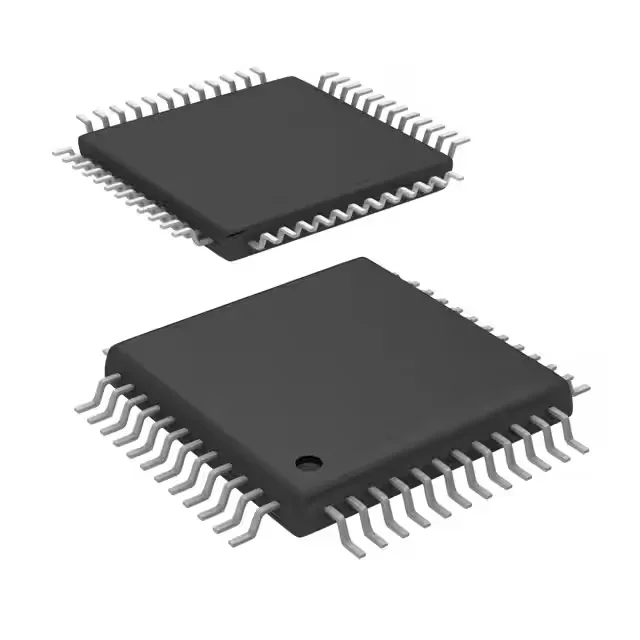
Texas Instruments SRC4382IPFB — Analog & Data Acquisition

SRC4382IPFB Sample Rate Converter, 4kHz-216kHz, 48-TQFP

MPNSRC4382IPFB
End of Life

Texas Instruments SRC4382IPFB, Sample Rate Converter, 2 channels, 4kHz ~ 216kHz, I²C, SPI interface, 3V ~ 3.6V supply, -40°C ~ 85°C, 48-TQFP (7x7), Surface Mount, Tray.

$15.29Ref. price · indicative, final on quote
Packaging48-TQFP
StockContact for availability
MOQ1 pcs
  • 100% new & originalTraceable channels only — no refurbs, no pulls, no remarked parts.
  • Date & lot codes on quoteStated per line before you commit; label photos on request.
  • MSL-compliant ESD packingMoisture-sealed bags with indicator cards; reels photo-verified.
  • PayPal buyer protectionPay by T/T, PayPal or Payoneer — card payments covered end to end.

Specifications

SRC4382IPFB Technical Specifications
ParameterValue
Mounting typeSurface Mount
Voltage3V ~ 3.6V
InterfaceI²C, SPI
Operating temperature-40°C ~ 85°C (TA)
PackageTray
FunctionSample Rate Converter
ApplicationsDigital Audio Interfacing
Case48-TQFP
Specifications4kHz ~ 216kHz
Number of channels2

Product details

Stereo sample rate converter for digital audio interfaces

The Texas Instruments SRC4382IPFB is a two-channel sample rate converter for digital audio interfacing. It accepts input sample rates from 4 kHz to 216 kHz. The device operates from a 3 V to 3.6 V supply and is specified over the industrial temperature range of -40°C to 85°C. It comes in a 48-pin TQFP package (7x7 mm body) with a surface-mount footprint, suitable for professional audio equipment, broadcast consoles, digital mixing desks, and audio interface cards that require asynchronous sample rate conversion between digital audio sources.

Sample rate range and what it means for the signal chain

The 4 kHz to 216 kHz input range covers narrowband voice through professional studio rates.

Control interface and integration

Dual I²C and SPI support means the SRC4382IPFB can drop into designs where the host already has one bus type without adding a protocol translator. I²C is the usual choice when only a few registers are accessed at startup; SPI gives faster register readback for monitoring conversion status or debugging. The interface selection is typically strapped with a hardware pin, so the BOM sees no extra glue logic.

Lifecycle and sourcing

It is ROHS3 compliant.

Frequently asked questions

What is the difference between SRC4382IPFB and SRC4382IPFBR?

The SRC4382IPFB ships in a Tray, while the SRC4382IPFBR variant ships in Tape & Reel. The die, package, and electrical specifications are identical between the two ordering codes — the only difference is the shipping media.

What is the sample rate range of the SRC4382IPFB?

The SRC4382IPFB accepts input sample rates from 4 kHz to 216 kHz, covering voice, CD, and high-definition audio rates up to 192 kHz with margin.

What control interfaces does the SRC4382IPFB support?

The device supports both I²C and SPI serial interfaces for register configuration and status readback.