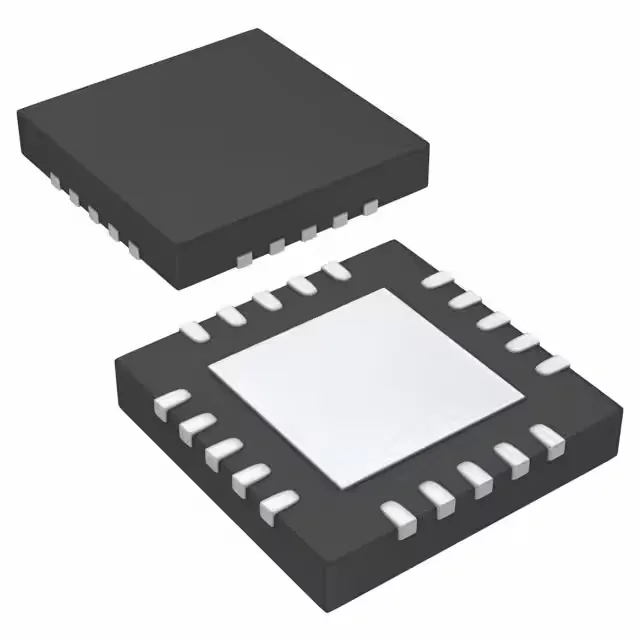
SATA signal redriver — what it does on the board
The Texas Instruments SN75LVPE802RTJR is a 2-channel redriver (buffer) designed to extend the reach of high-speed serial signals on a PCB or cable assembly. It accepts a CML input and delivers a VML output, applying input equalization and output de-emphasis to compensate for channel loss — the kind of loss you get from long traces, connectors, or cable runs in a SATA link.
ROHS3 compliant, lead-free. If your BOM calls for the RTJ (tray) variant, confirm the suffix match — the die and performance are identical, but the shipping medium differs.
Board integration notes
Input is AC-coupled CML; the redriver handles the equalization internally. Output de-emphasis level is fixed per TI's configuration — no external programming pins, so verify the equalization profile matches your channel loss budget by reviewing the TI application note for this part.