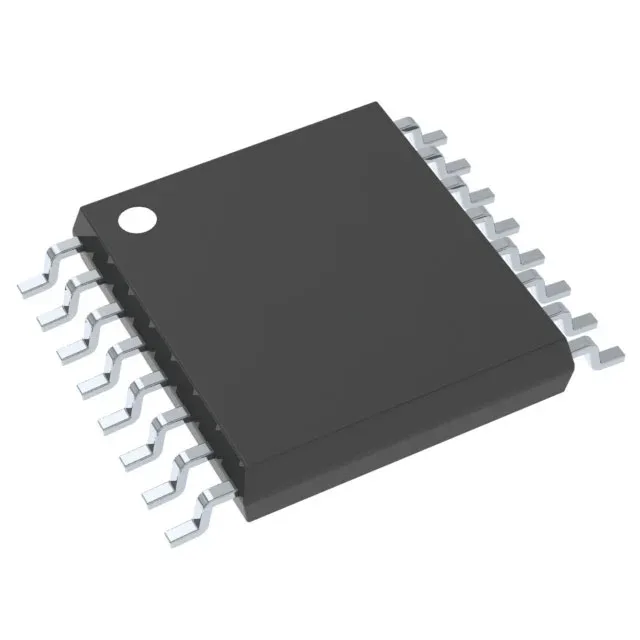
Texas Instruments SN75LVDS31PW — Interface & Transceivers

SN75LVDS31PW LVDS Driver, 155 Mbps, 16-TSSOP

MPNSN75LVDS31PW
Active

Texas Instruments SN75LVDS31PW, LVDS Driver, 4/0 Drivers/Receivers, 155Mbps, 3V ~ 3.6V, 0°C~70°C, 16-TSSOP, Active.

$2.5454Ref. price · indicative, final on quote
Independent supplier — new & surplus stockAuthenticity-screened · ESD-safe packingListing updated Aug 2026

Specifications

SN75LVDS31PW specifications
ParameterValue
TypeDriver
MountingSurface Mount
Supply voltage3V ~ 3.6V
ProtocolLVDS
Operating temperature0°C~70°C
PackageTube
Data rate155Mbps
Case16-TSSOP (0.173\", 4.40mm Width)
Number of drivers (Receivers)4/0

Product details

This part belongs inside an office switch, a server, or a test instrument — not in an outdoor base station, an engine bay, or a factory floor where ambient can hit 85°C. If your system sees temperature swings outside that band, you need the industrial or automotive variant in the same family.

4/0 driver count — no receiver on chip

With four drivers and zero receivers, this is a transmit-only device. For a bidirectional LVDS link you pair it with a separate receiver such as the SN75LVDS32. The 4/0 count is worth flagging because a quick glance at the base number might suggest a transceiver — it is not. Each driver outputs a differential pair that needs a 100 Ω termination resistor at the far end of the interconnect.

That said, always confirm availability at quote time — active status does not guarantee infinite stock, and lead times can shift.

Frequently asked questions

What is the difference between SN75LVDS31PW and SN75LVDS31PWR?

The SN75LVDS31PW ships in a tube, while the SN75LVDS31PWR ships in tape-and-reel. Electrically and functionally they are identical — same 155 Mbps data rate, same 4/0 driver count, same 16-TSSOP package. The PWR suffix is the reeled version for automated pick-and-place assembly lines.

Does SN75LVDS31PW require external termination resistors?

Yes. As an LVDS driver, the SN75LVDS31PW outputs a differential current-mode signal. The receiver end of the interconnect needs a 100 Ω termination resistor across the differential pair, placed as close to the receiver input pins as the layout allows. This is standard practice for all LVDS point-to-point links and is documented in TI's LVDS application notes.

Is SN75LVDS31PW obsolete or end-of-life?

No.