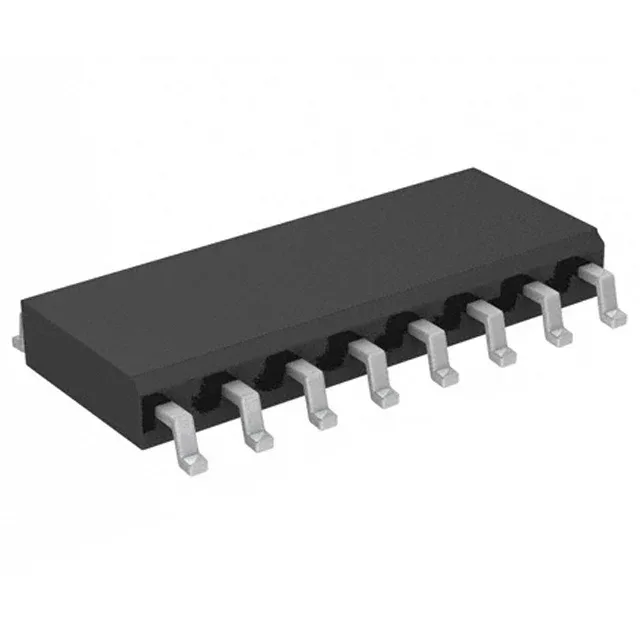
Texas Instruments SN75LVDS051DG4 — Interface & Transceivers

SN75LVDS051DG4 LVDS Transceiver, 155 Mbps

MPNSN75LVDS051DG4
Active

Texas Instruments SN75LVDS051DG4, LVDS Transceiver, Full Duplex, 155Mbps, 2/2 Drivers/Receivers, 3V~3.6V, 16-SOIC, 0°C~70°C.

$2.1300Ref. price · indicative, final on quote
Packaging16-SOIC (0.154", 3.90mm Width)
RoHSROHS3 Compliant
Independent supplier — new & surplus stockAuthenticity-screened · ESD-safe packingListing updated Aug 2026

Specifications

SN75LVDS051DG4 specifications
ParameterValue
TypeTransceiver
MountingSurface Mount
Supply voltage3V ~ 3.6V
ProtocolLVDS
Operating temperature0°C~70°C
DuplexFull
PackageTube
Data rate155Mbps
Case16-SOIC (0.154\", 3.90mm Width)
Number of drivers (Receivers)2/2

Product details

The 2/2 channel count gives you two independent full-duplex links or one link with a redundant path.

At 155 Mbps the SN75LVDS051DG4 comfortably clocks a 100 MHz pixel clock with embedded syncs or a 125 MHz SerDes link. The LVDS signalling keeps the edge rates clean and the EMI low, which matters when the cable runs past a switching supply or a noisy fan. If your link budget calls for 200 Mbps or more, this part is not the one — the 155 Mbps ceiling is hard. But for the vast majority of parallel-to-serial conversions in the 50–150 Mbps sweet spot, it is a solid fit.

Package and field-service reality

No hot-air station needed, no hidden thermal pad. If you are swapping this in a customer's equipment on site, it is one of the easier parts to replace without a rework station. Just watch the ESD: LVDS inputs are sensitive, so ground yourself before touching the pins.

Frequently asked questions

Can SN75LVDS051DG4 be used in place of SN75LVDS051DR?

The SN75LVDS051DG4 and SN75LVDS051DR share the same base part number and functional specification — both are full-duplex LVDS transceivers with 2/2 drivers/receivers at 155 Mbps. The suffix difference (DG4 vs DR) typically indicates packaging or tape-and-reel variant. Pinout and electrical characteristics are identical, so the DG4 is a direct functional replacement for the DR in the same 16-SOIC footprint. Verify your board's specific package marking and reel orientation if you are swapping between the two.